The Hanoi issue
A City Built Around Water: Hanoi's Lakes and the Life at Their Edges
A route-led walk through Hanoi's lakes — from the old-town heart to the quiet residential water south and west — with honest notes on which suit couples, families and big groups.

By Rui MarquesTwo unhurried days, not nine temples

Hanoi is not a city that happens to have lakes; it is a city assembled around them. The Red River shifted its course over centuries and left behind a scatter of ponds and lagoons, and the streets grew up between the water rather than over it. To understand the place, you walk from one lake to the next and watch the tempo change — commerce at one shore, courtship at another, retirees doing tai chi at a third before the traffic wakes.
What follows is a route, not a ranking. The lakes sit roughly in rings: the tourist heart in the old quarter, a broad band of water to the northwest, a set of park lakes you can reach in a short taxi hop, and a scatter of residential lakes further out where you stop being a sightseer and start being a guest. Read it in that order and you have a two- or three-day arc through the city that never strays far from a shoreline.
The heart: where the city keeps its history

Start where Hanoi starts. Hoan Kiem Lake (old quarter), the Lake of the Restored Sword, is small enough to circle in twenty unhurried minutes and central enough that you will pass it a dozen times whatever else you plan. The name comes from a fifteenth-century legend — a king handed a golden turtle a sword to drive out an occupying army, then returned it to the water here — and the red-lacquered Huc Bridge still leads out to Ngoc Son Temple on its little island. The lake is free and open around the clock, with no door policy of any kind, which makes it the easiest possible meeting point for a group of any size; the temple charges roughly 50,000 VND to enter and takes group tickets, so nobody has to queue individually.
Timing matters more here than anywhere. From Friday evening through Sunday the roads around the lake close to traffic and become a walking street, and the crowds are genuinely large — good if you want street performers, night markets and a carnival hum, less good if you came for the reflective early-morning version. Come at dawn on a weekday for the tai chi and the mist; come Saturday night if you want the city at full volume. One practical note for 2026: a new public square and park is under construction on the east side and runs through late in the year, but the shoreline walk and the temple stay fully open throughout, so it changes the view, not the access.
If you are basing yourself near the water — and for a first visit I would — the old quarter and the streets immediately south of the lake put you within walking distance of most of what this guide covers. A Hanoi hotel search around Hoan Kiem is the simplest way to keep the heart of the city on foot.
Plan your Hanoi trip
Live prices from our booking partners.
Free cancellation on many rooms. We may earn a commission when you book.
Northwest water: sunset, paddling and cheap draft beer
A short ride north brings you to the city's largest and most sociable stretch of water. West Lake (Tay Ho district), Ho Tay, is many times the size of the old-town lake and wraps a whole neighbourhood of lakeside cafes, rooftop bars and expat pubs, most of which seat groups without fuss. This is one entry rather than several because the pleasures cluster: the eleventh-century Tran Quoc Pagoda sits on a causeway at the southern end, the stand-up paddleboard clubs launch from the same shore, and the bar strip runs along the water behind them. You can pray, paddle and drink within a few hundred metres.
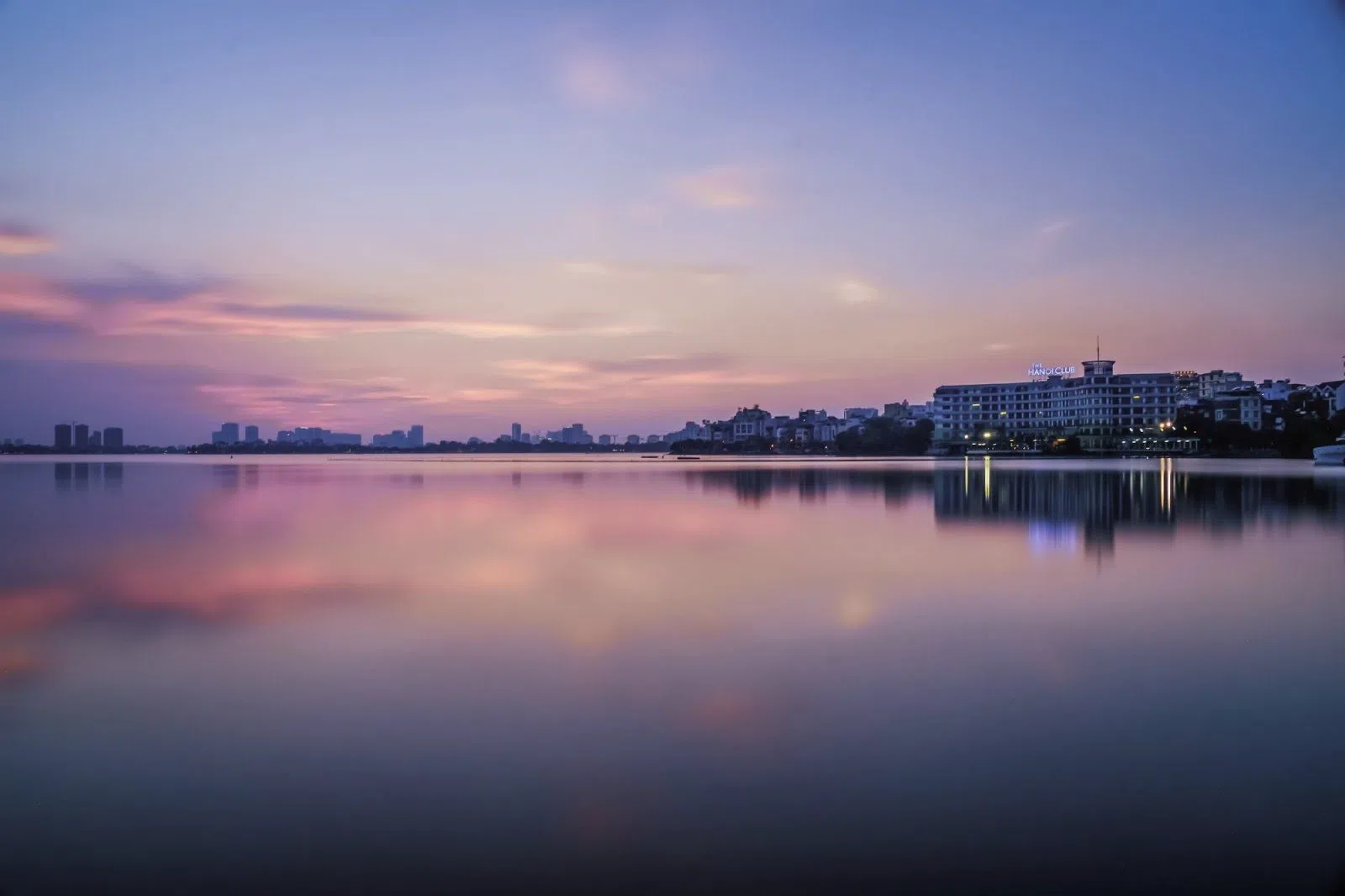
West Lake is where Hanoi goes for its evening. The shoreline is free to walk, and the west-facing side gives the city its best sunset over open water — worth planning a slow drink around. If your group is active, the SUP clubs take bookings and run about 200,000–250,000 VND for a half-day; the cafes and bars sit in the mid-range. It suits couples and larger groups equally, though the rooftop places fill on weekend evenings, so a call ahead for six or more is sensible.
Hanging off the eastern edge of West Lake, separated by a single causeway road, is Truc Bach Lake (Truc Bach, Tay Ho) — smaller, calmer and far more local. This is the counterpoint to its glossy neighbour: low-key cafes, street-food stalls and bia hoi corners where the fresh draft beer costs a few thousand VND a glass and the plastic stools spill toward the water. The pedal-boat rentals that used to run on West Lake have relocated here, so small groups can potter about the surface for very little. Come for a laid-back evening of cheap beer and people-watching rather than a headline sight; it rewards sitting still.
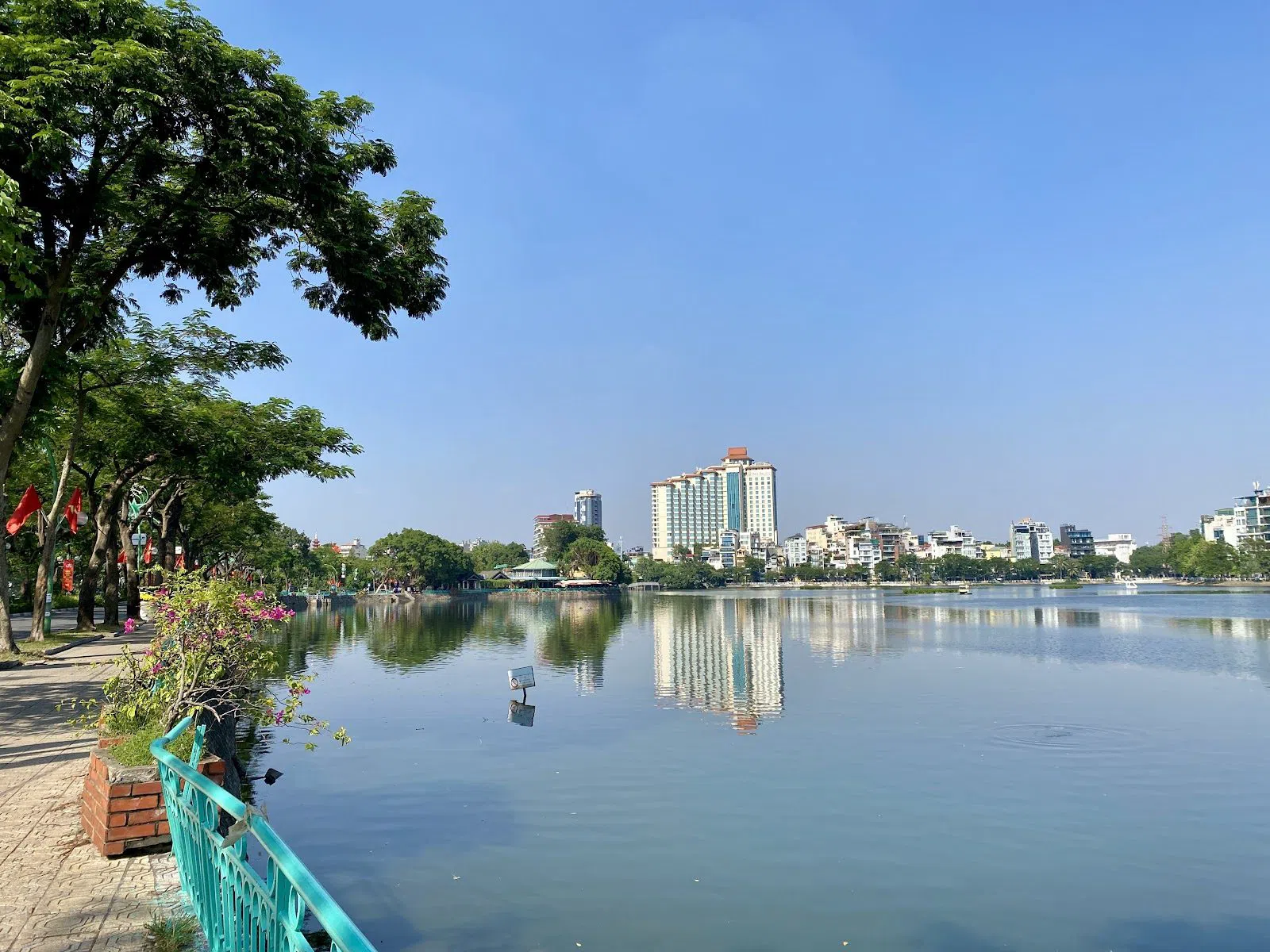
Park lakes: green lungs for families and big groups
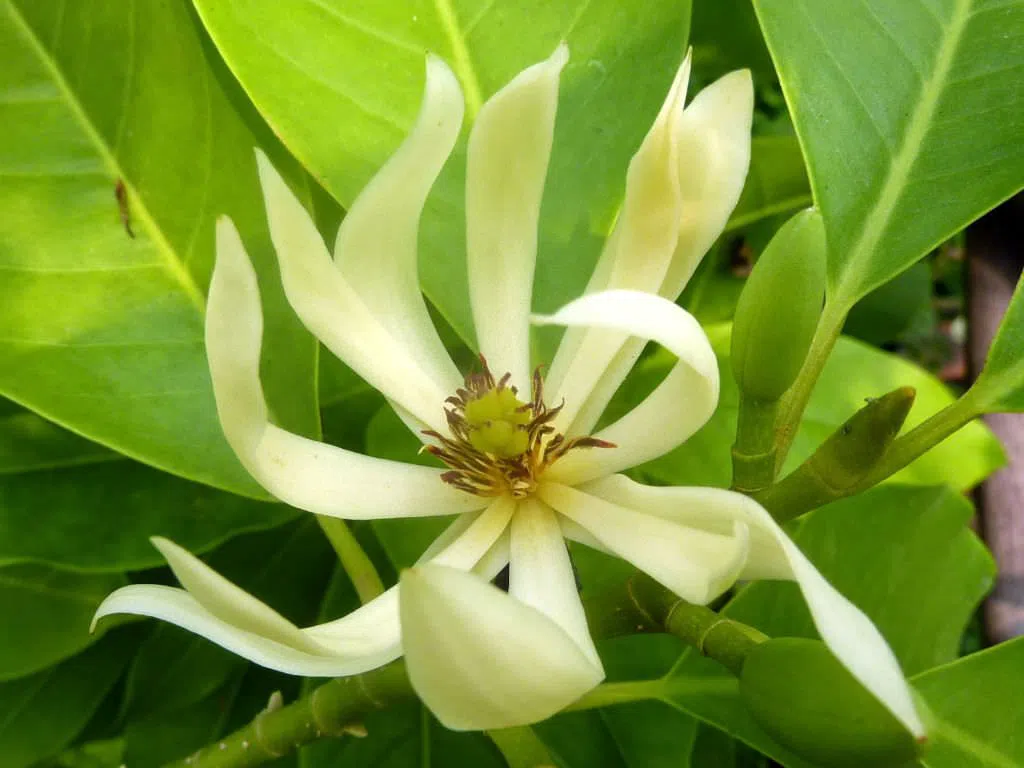
Hanoi's park lakes are where the city exhales, and they are the right call when your group includes children or simply wants lawn space and a budget afternoon. Bay Mau Lake (Hai Ba Trung, at the centre of Thong Nhat / Reunification Park) is the classic. This is the 'green lung' locals mean when they talk about escaping the traffic — wide lawns, shade, and the giant swan pedal-boats that are a genuine Hanoi institution, costing only a few tens of thousands of VND. Park entry is free or nominal, and the open ground handles large groups and families easily. It sits only a short hop from the centre, which makes it an easy pairing with a morning around Hoan Kiem.
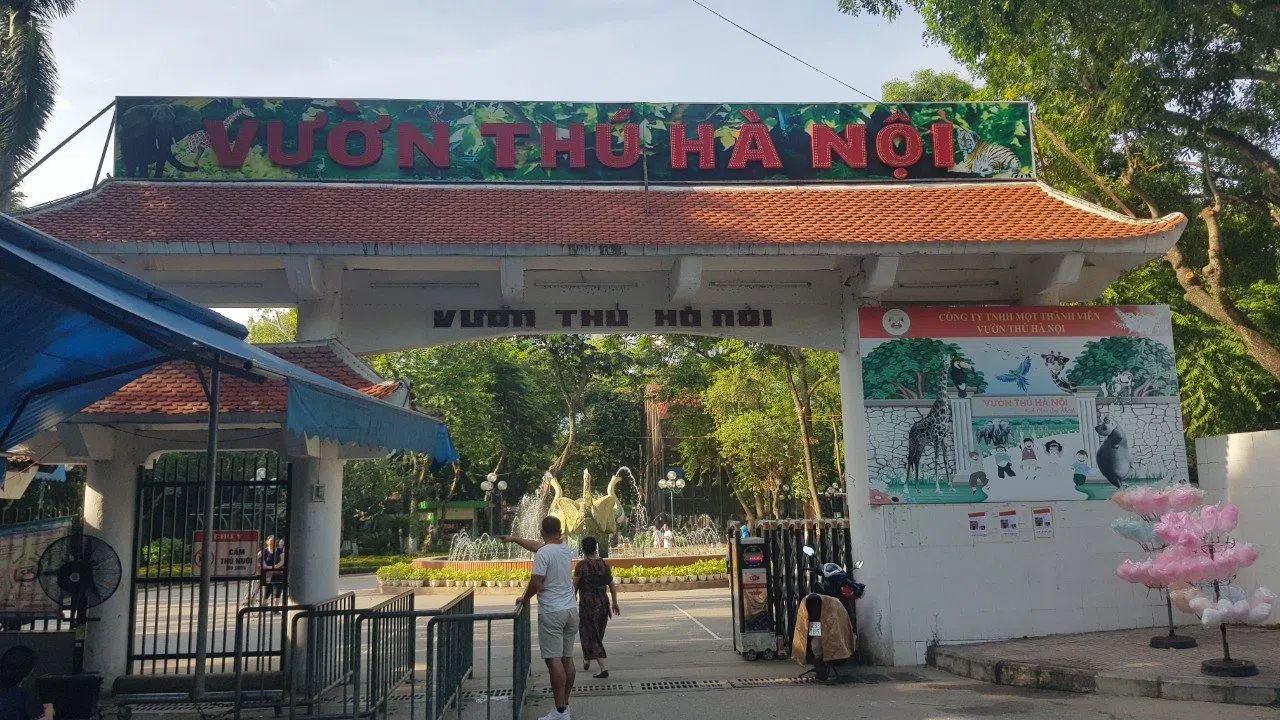
For groups travelling with kids, Thu Le Lake (Ba Dinh, inside Thu Le Park and Hanoi Zoo) is the more structured choice. One lake is wrapped by a zoo, a small fun-fair and pedal-boats, and the place is built to absorb school and tour groups. Entry to the zoo and park runs to tens of thousands of VND, and the pedal-boats are about 30,000 VND an hour. It is not a subtle or historic experience — it is a reliable half-day that keeps children occupied, which on a long trip is its own kind of value.
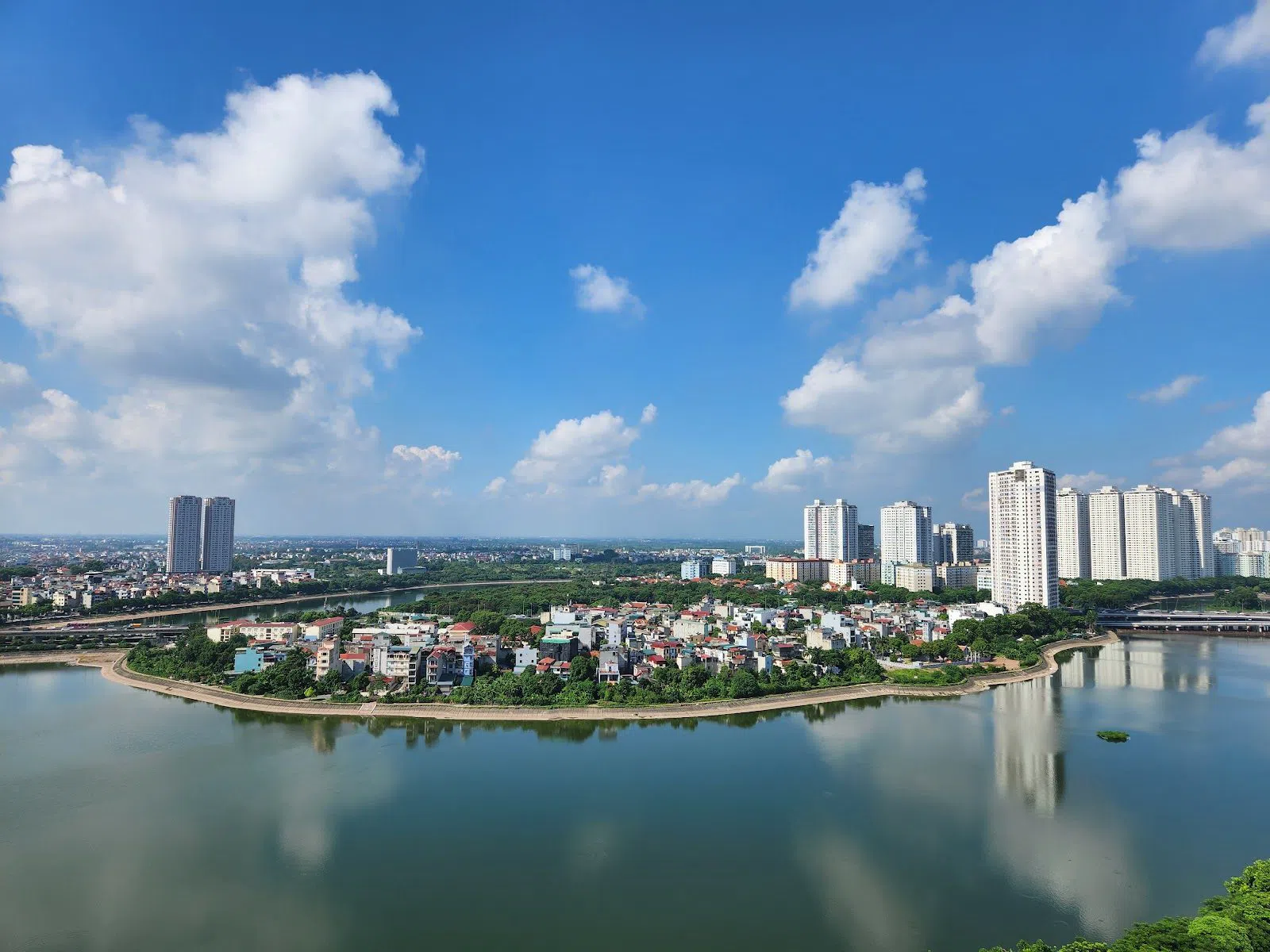
Further out, and on a different scale entirely, are the Yen So Park Lakes (Hoang Mai, in the south of the city). This is Hanoi's largest green space, a park built around a system of regulating lakes that manage the city's floodwater, and it trades old-town charm for sheer room. Bikes rent for roughly 30,000–40,000 VND and boats for about 50,000 VND, entry is free, and there is space enough for a big group to cycle, picnic and lose each other for an hour. Go here when you want open air and scale rather than sights, and be prepared for a longer taxi than the central lakes require.

Residential lakes: Hanoi without the sightseeing
The last ring is for travellers who have done the postcards and want the ordinary city. These lakes carry no ticket and no obligation; you visit them to walk, paddle and eat where locals do.
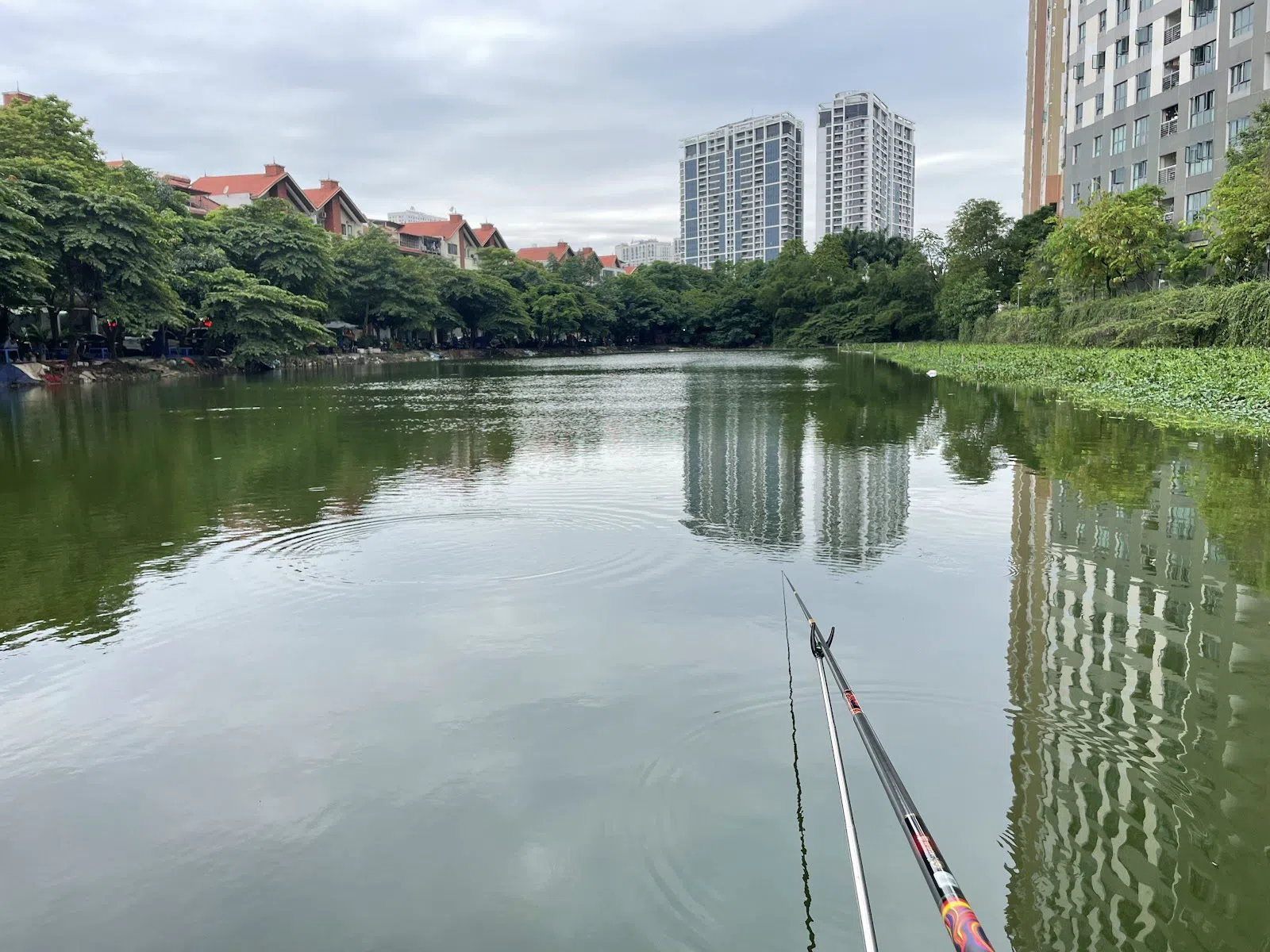
Linh Dam Lake (Hoang Mai, south of the centre) is the escape valve — a big, uncrowded lake ringed by apartment blocks and open lakeside paths, with low-cost kayak rentals for anyone who wants to get on the water. It suits active groups who would rather paddle past residential Hanoi than shuffle through a tourist crush, and it is honestly a place to move rather than to look at. Free to walk, cheap to paddle, and a real neighbourhood scene.
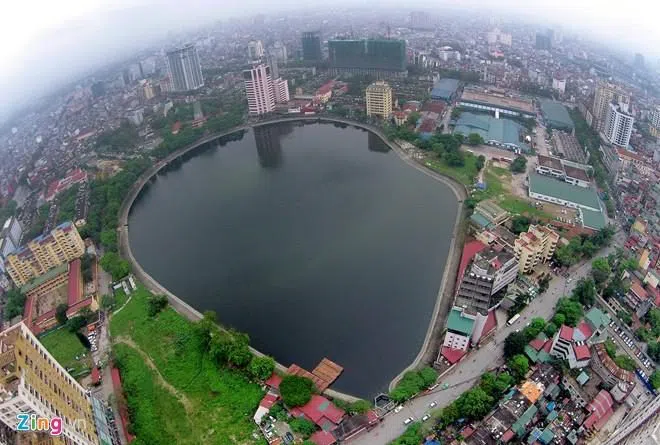
Closer in, Ngoc Khanh Lake (Ba Dinh) has been freshly renovated and reopened with a heritage-themed pedestrian path. It runs as a walking street on Friday evenings and all day Saturday and Sunday, access is free, and it is pitched at people who like a little history threaded through a stroll — a quieter, culture-tinged loop rather than a busy attraction. Nearby, Giang Vo Lake (Ba Dinh) offers a short, sociable loop known less for any view than for its street-side chè — the layered Vietnamese sweet soup — and its ice-cream stalls. It is free and cheap and entirely local in flavour; treat it as a dessert stop on a longer walk rather than a destination in itself.
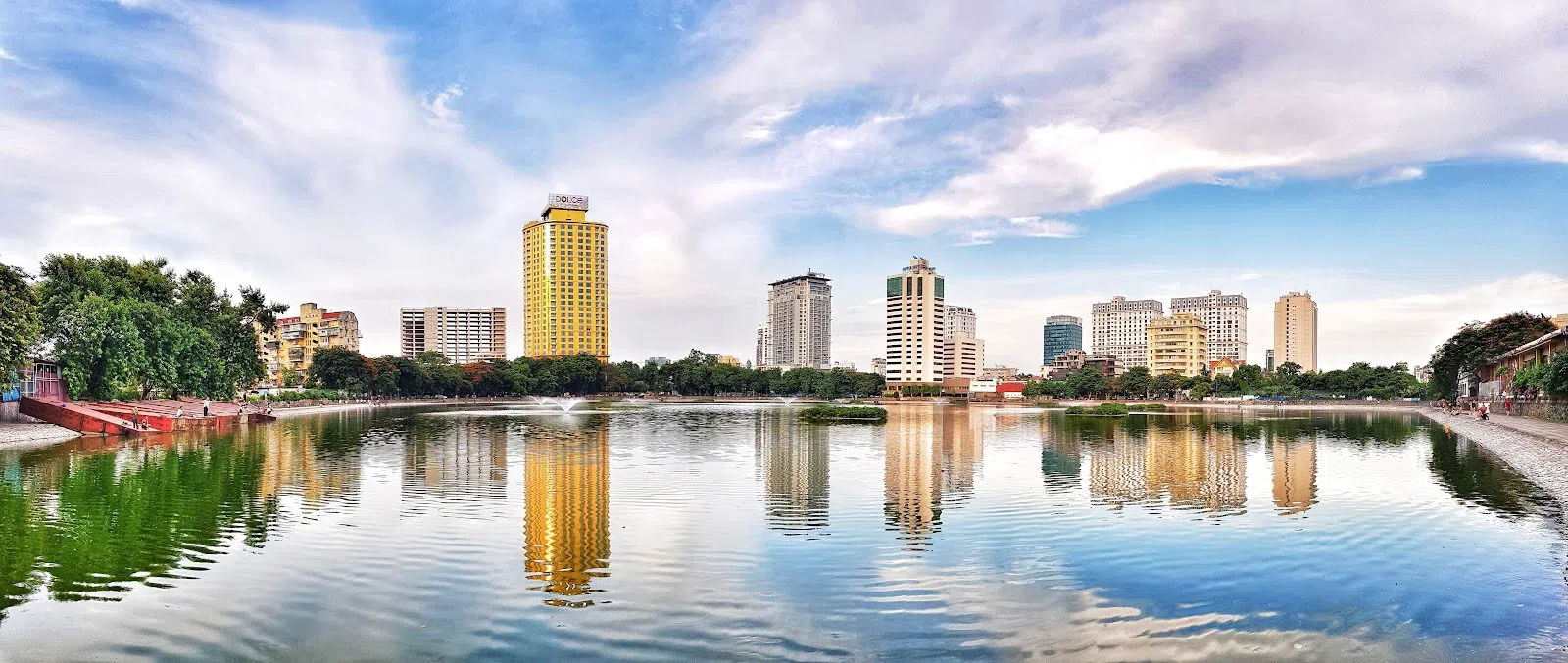
Out west in the suburbs, Van Quan Lake (Ha Dong) is a tidy, modern lake with wide promenades and plazas that host public events, and it is one of the city's official fireworks-display sites. It seats groups comfortably and costs nothing to visit, but it is worth the trip mainly if you are already out in Ha Dong; it does not justify a special journey from the centre. Honesty is the point of this final ring — these are the lakes that tell you what living here is like, not the ones a first-time visitor must prioritise.
Practical notes
Getting around. The central lakes — Hoan Kiem, West Lake, Truc Bach — are walkable from one another or a short ride apart, and the old quarter itself is best done on foot. For the park and residential lakes, use the Grab app for cars and motorbike taxis; it fixes the fare in advance and removes the haggling. Reunification Park is a short hop; Yen So, Linh Dam and Van Quan are genuine journeys of twenty to forty minutes depending on traffic, so batch them.
Cash. Carry Vietnamese dong in small notes. Temple entry, pedal-boats, kayaks, bia hoi and street chè are all cash businesses in the tens of thousands of VND, and few stalls take cards. West Lake's cafes and bars are the main exception where a card will usually work.
Timing. Weekends transform the walking-street lakes — Hoan Kiem and Ngoc Khanh close to traffic Friday evening onward, which is either the draw or the thing to avoid. Early morning is the city's calmest and coolest window at every lake and the best time for photographs and tai chi. Aim to be on the western shore of West Lake for sunset at least once. Hanoi's spring and autumn are the kindest seasons; summer afternoons are hot and humid, so plan water and shade around midday.
Budget. The lakes are the cheapest serious pleasure in the city. Walking every shoreline costs nothing; a pedal-boat, a temple ticket, a kayak or an afternoon of bia hoi each run to a handful of tens of thousands of VND. A full day of lakes, boats and street food sits comfortably in the low hundreds of thousands of VND per person, drinks aside.
For context on neighbourhoods, food and the rest of the city beyond the water, the wider Hanoi guide picks up where the shoreline leaves off.
Before you go
Which Hanoi lake should I visit first?
Start with Hoan Kiem Lake in the old quarter — it is central, free, open 24/7 and within walking distance of most of the city's heart. Come at dawn on a weekday for the calm version, or Friday to Sunday when the surrounding roads close for the weekend walking street.
Which lake is best for a sunset in Hanoi?
West Lake (Ho Tay) in Tay Ho district. Its size gives you open water and a clear west-facing horizon, and the lakeside bars and rooftop cafes there let you plan a slow drink around the light.
Where are the giant swan pedal-boats in Hanoi?
On Bay Mau Lake inside Thong Nhat (Reunification) Park, a short ride from the centre. They cost only a few tens of thousands of VND, park entry is free or nominal, and the open lawns suit families and larger groups.
Which Hanoi lake is best for families with children?
Thu Le Lake, which is wrapped by Hanoi Zoo, a small fun-fair and pedal-boats inside Thu Le Park. It is built to handle school and tour groups, entry runs to tens of thousands of VND, and pedal-boats are around 30,000 VND an hour.
Can you do water sports on Hanoi's lakes?
Yes. West Lake has stand-up paddleboard clubs that take group bookings for roughly 200,000–250,000 VND per half-day, Linh Dam Lake in the south offers low-cost kayak rentals, and several park lakes rent pedal-boats and rowing boats cheaply.