The Hanoi issue
Walking Hanoi in October Once the Heat Lets Go
This is the month the pavement cools, when the lake loop becomes a midday walk again and Hanoi's night tours and day trips are worth booking, with the timings, prices and door realities that decide whether the plan works.

By Rui MarquesTwo unhurried days, not nine temples
The change arrives without announcement. Somewhere in the first half of October the air over Hanoi stops pressing down on you, the afternoon storms that have punctuated every day since June thin out, and by four o'clock the pavement stops throwing heat back up at your shins. The city has not changed. It is the same tangle of trading streets, tree-lined French avenues and lake edges it was in July, but your capacity to walk it roughly triples, and Hanoi only explains itself on foot.
What the month gives you
Be realistic about the shift. The first ten days of October often still feel like late September: humid, prone to a heavy shower, warm enough that you will want the middle of the day indoors. By the second half the drier northeastern air usually has the upper hand, highs settle into the high twenties, and the evenings start asking for a light layer after nine. The practical gain is a usable midday and a walkable night rather than a dramatic drop in temperature.
So October rewards route planning over list-ticking. In August you build a day around air conditioning and taxis between four sights. In October you build it around a spine (a lake, a causeway, a bridge) and let the venues fall onto it in the order the map gives them. Everything below is arranged that way. For the wider picture of districts, seasons and where to stay, the Hanoi guide covers the ground this piece deliberately narrows.
Plan your Hanoi trip
Live prices from our booking partners.
Free cancellation on many rooms. We may earn a commission when you book.
The lake loop is the spine of everything
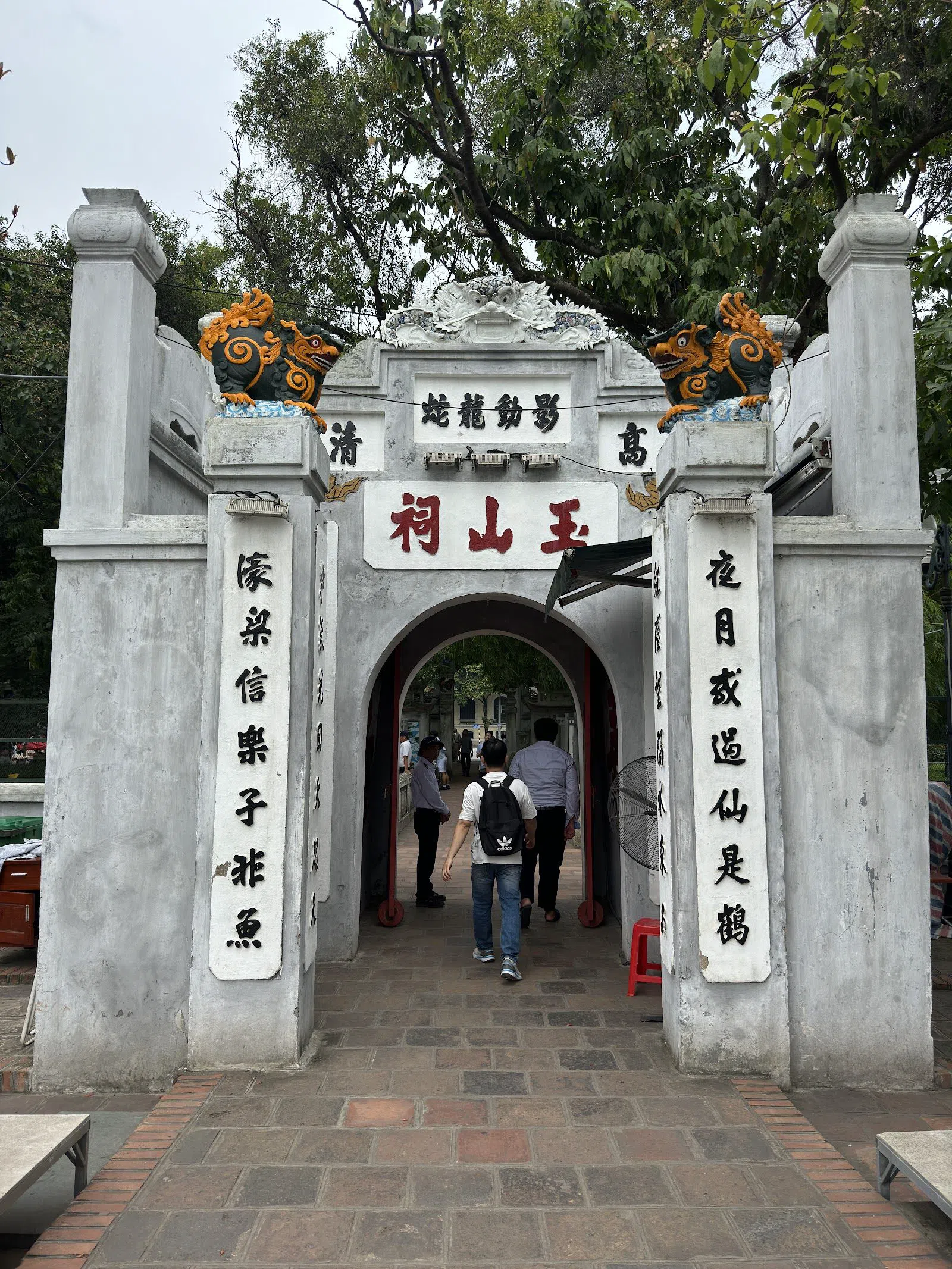
Start where the city starts. Hoan Kiem Lake and Ngoc Son Temple (Hoan Kiem district, dead centre) is a public open space with no door policy and no ticket to walk it, and the full circuit is under two kilometres, a distance that is a pleasure at noon in October and an ordeal at noon in July. The temple sits on its islet at the northern end, reached by the red bridge; entry runs about 30,000 to 50,000 VND and it is cash only, so break a note before you queue.
The timing that matters here is the weekend closure. From around 19:00 on Friday until late Sunday, the streets ringing the lake go car-free, and the whole character of the place changes: badminton, skateboards, families three generations wide, and enough room that a group of eight can walk abreast instead of filing along a kerb. If you are travelling with a party, put your lake evening on a Friday or Saturday. If you want the lake quiet and reflective, take it early on a weekday morning instead.
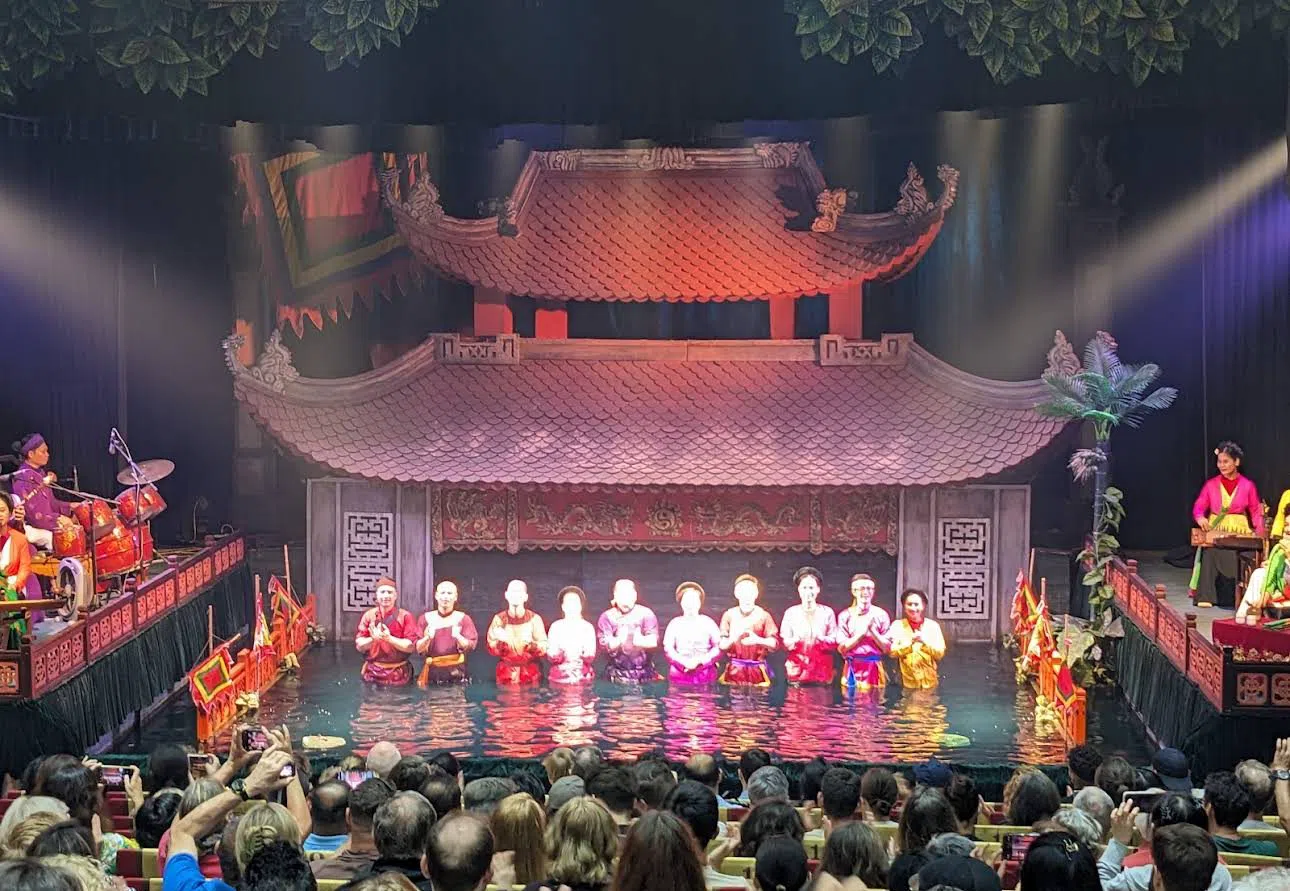
On the eastern edge, at 57B Dinh Tien Hoang, Thang Long Water Puppet Theatre (Hoan Kiem, lakeside) is built for exactly this walk. It runs up to eight fifty-minute shows a day, seats are tiered in three price bands from about 100,000 VND, and private charter performances are available if your group is large enough to want its own room. Weekend evening shows sell out two to three days ahead, so book midweek in the morning for the weekend. The convenience is the position: it slots into a lake circuit rather than demanding a trip of its own, and fifty minutes is the right length for the art form.
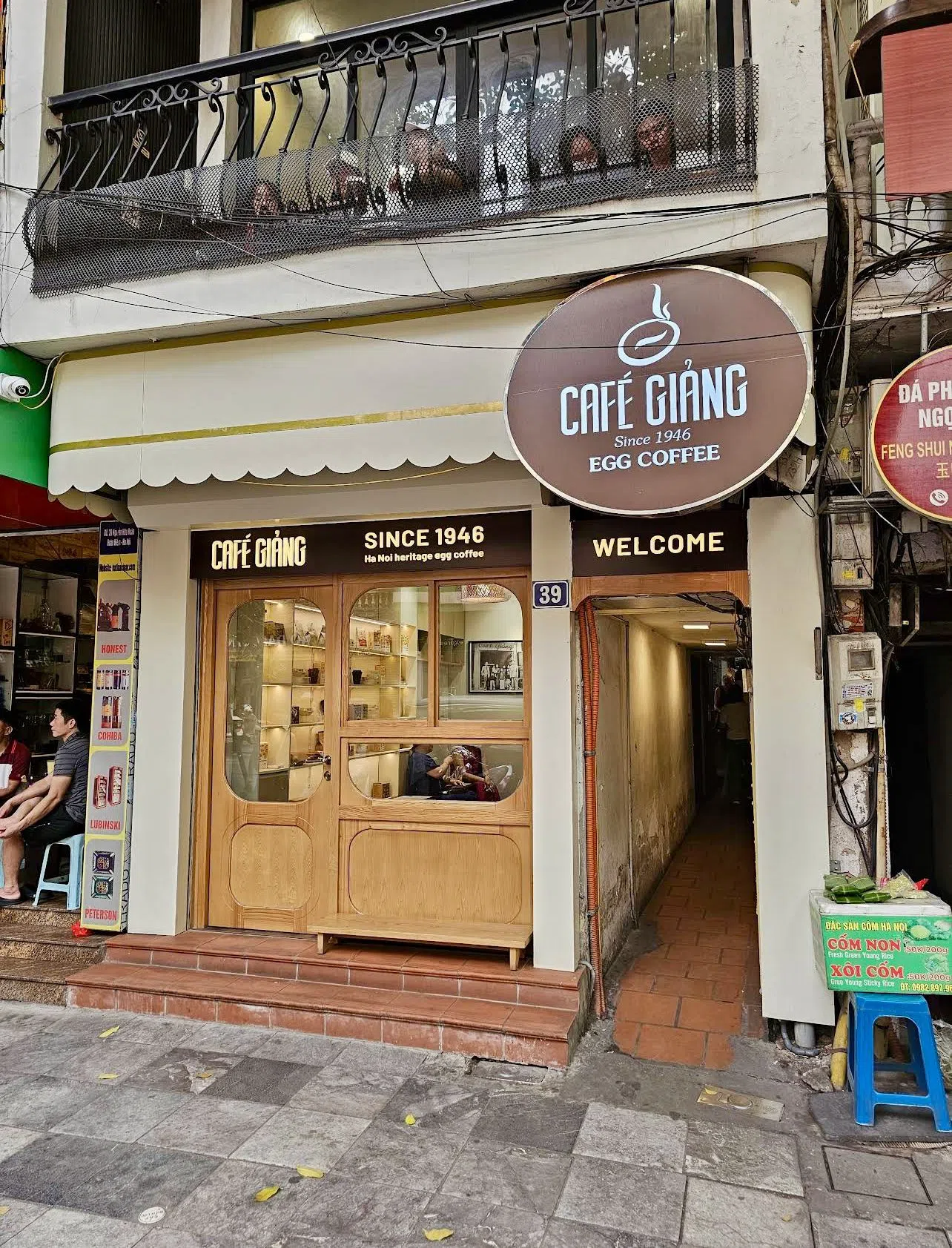
A short walk north, Cafe Giang (Old Quarter, 39 Nguyen Huu Huan) is where egg coffee was invented in 1946 and is still run by the founder's family. It is tiny, split across floors, and you should expect to share a table. Four people is the comfortable ceiling; six will end up on two different levels having two different conversations. Drinks are 30,000 to 50,000 VND and it is open roughly 07:00 to 22:00. Go as a pair, take the hot version rather than the iced now that the weather no longer demands ice, and treat it as a twenty-minute stop.
Three historic sites that change after dark
October's cooler evenings are the reason Hanoi's night programming is worth the premium, and three sites run one.
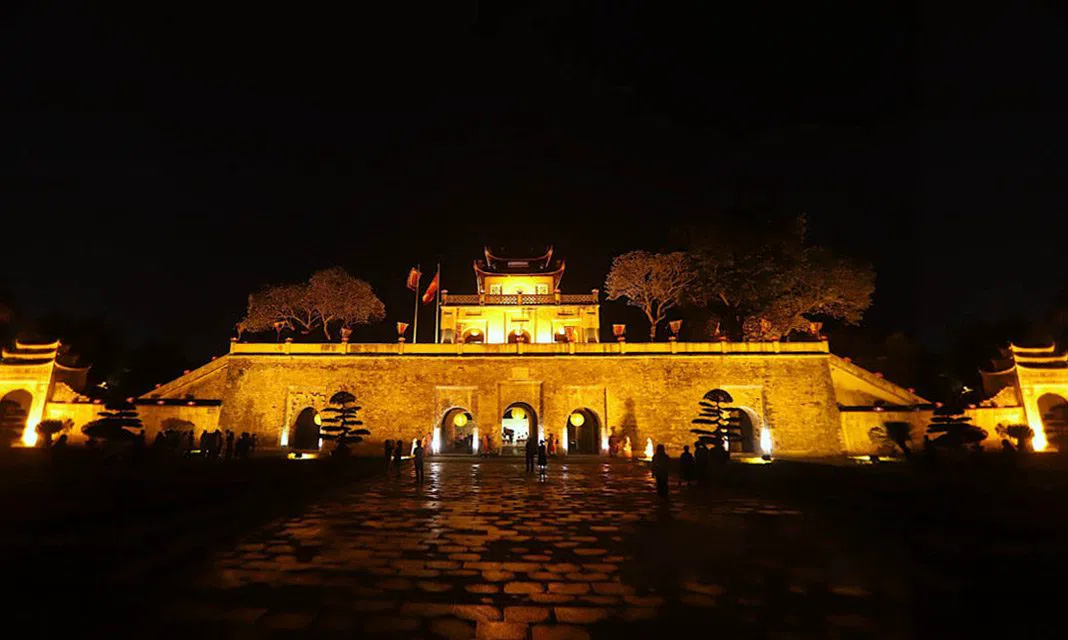
Imperial Citadel of Thang Long (Ba Dinh, west of the Old Quarter) is a UNESCO site that absorbs large groups easily during the day: open 08:00 to 17:00, closed Mondays, day ticket about 70,000 VND. The night tour, on Fridays and Saturdays at 19:00, is a different proposition. Capacity is capped, it costs 300,000 VND, and a party of any size must book ahead rather than turning up. It is worth the difference over the daytime walk-through, partly because the excavated foundations read better under lighting than under flat sun, and partly because it ends with lotus tea under the bodhi tree, a slow finish rather than a gate closing behind you.
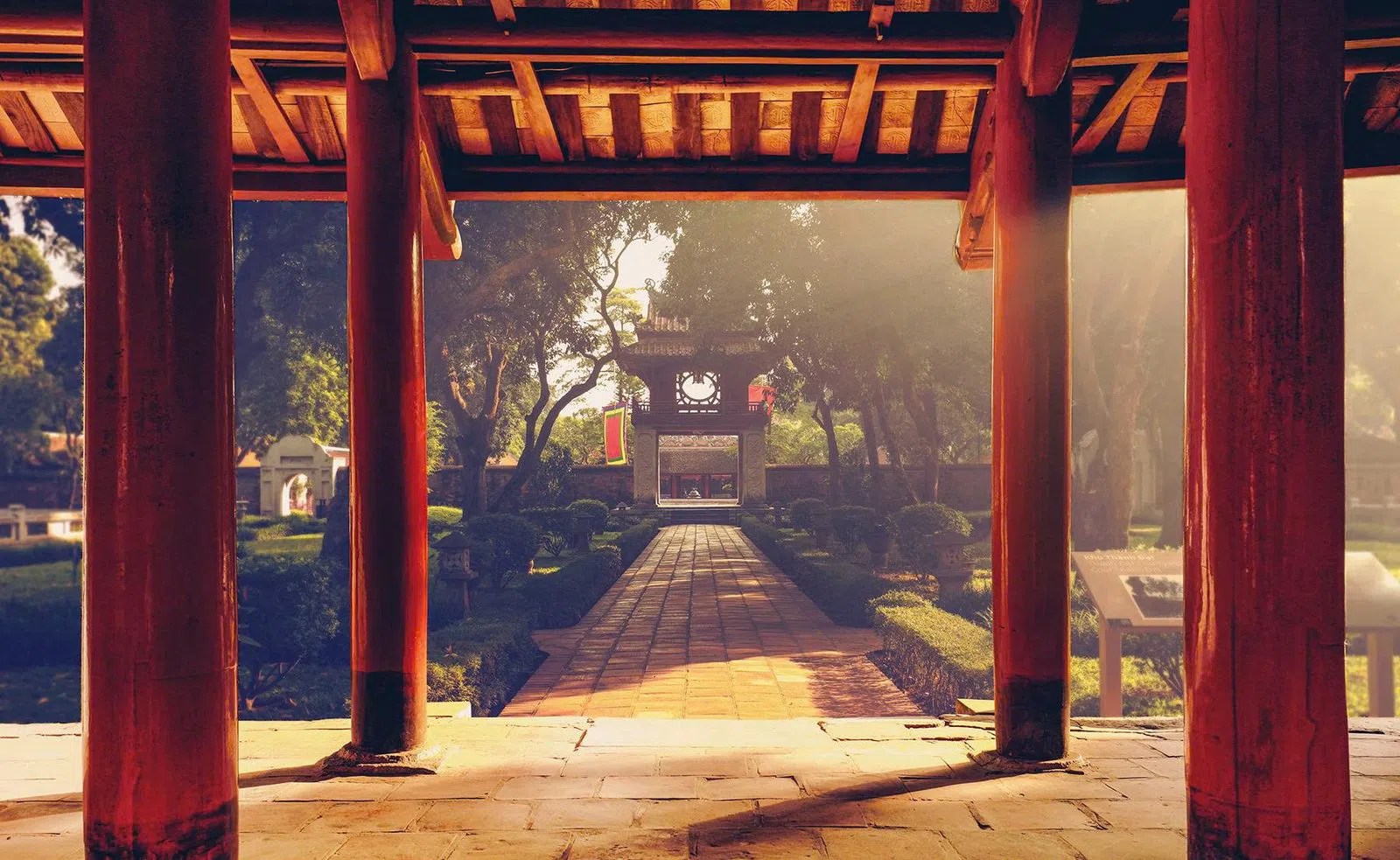
Temple of Literature (Van Mieu, immediately south of the citadel) is the eleventh-century Confucian academy, and its long sequence of walled courtyards handles crowds better than almost anywhere else in the centre. Day entry is 70,000 VND, 35,000 for concessions. The night sessions run Wednesday, Saturday and Sunday, 18:30 to 22:00, on timed slots, and take you across eighteen stops with 3D projection mapping, a different visit rather than the same walk in the dark. Book the 19:45 show rather than the 20:45: you clear the courtyards before the final session stacks up behind you, and you are out at an hour that still leaves you dinner.
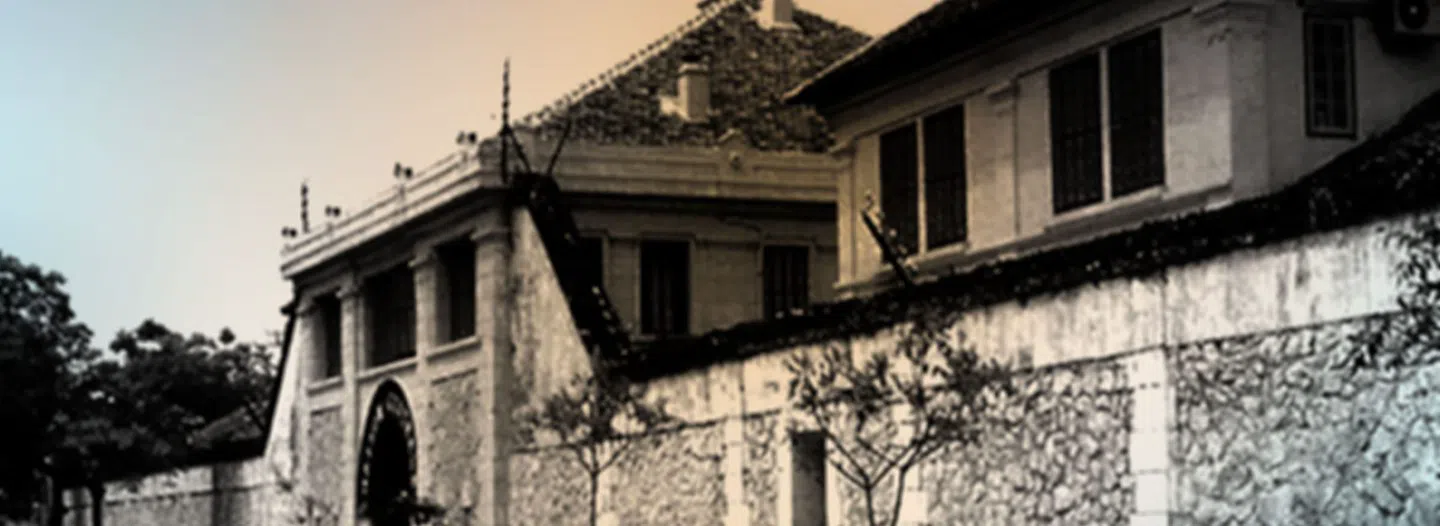
Hoa Lo Prison Memorial (Hoan Kiem, a few minutes from the Temple of Literature) is fine for groups in daylight, open every day 08:00 to 17:00, including holidays, about 50,000 VND. The evening programme, 'Sacred Night', runs Friday and Saturday 19:00 to 21:00 at 399,000 to 499,000 VND, is small-capacity, and typically sells out one to two months ahead. It also rotates its theme, so check which one is running before you commit a group to it. Two honest notes. First, the sell-out window means this is a decision you make before you fly, not on the day. Second, it is a prison memorial handling French colonial incarceration and the American war, and the night format is atmospheric by design; it suits people who want to be moved, not people who want an evening out.
West Lake and Truc Bach on foot
The best flat hour of walking in Hanoi is the Thanh Nien causeway, the strip of road that separates West Lake from Truc Bach, and October is when you can do it at any hour rather than only at dawn.
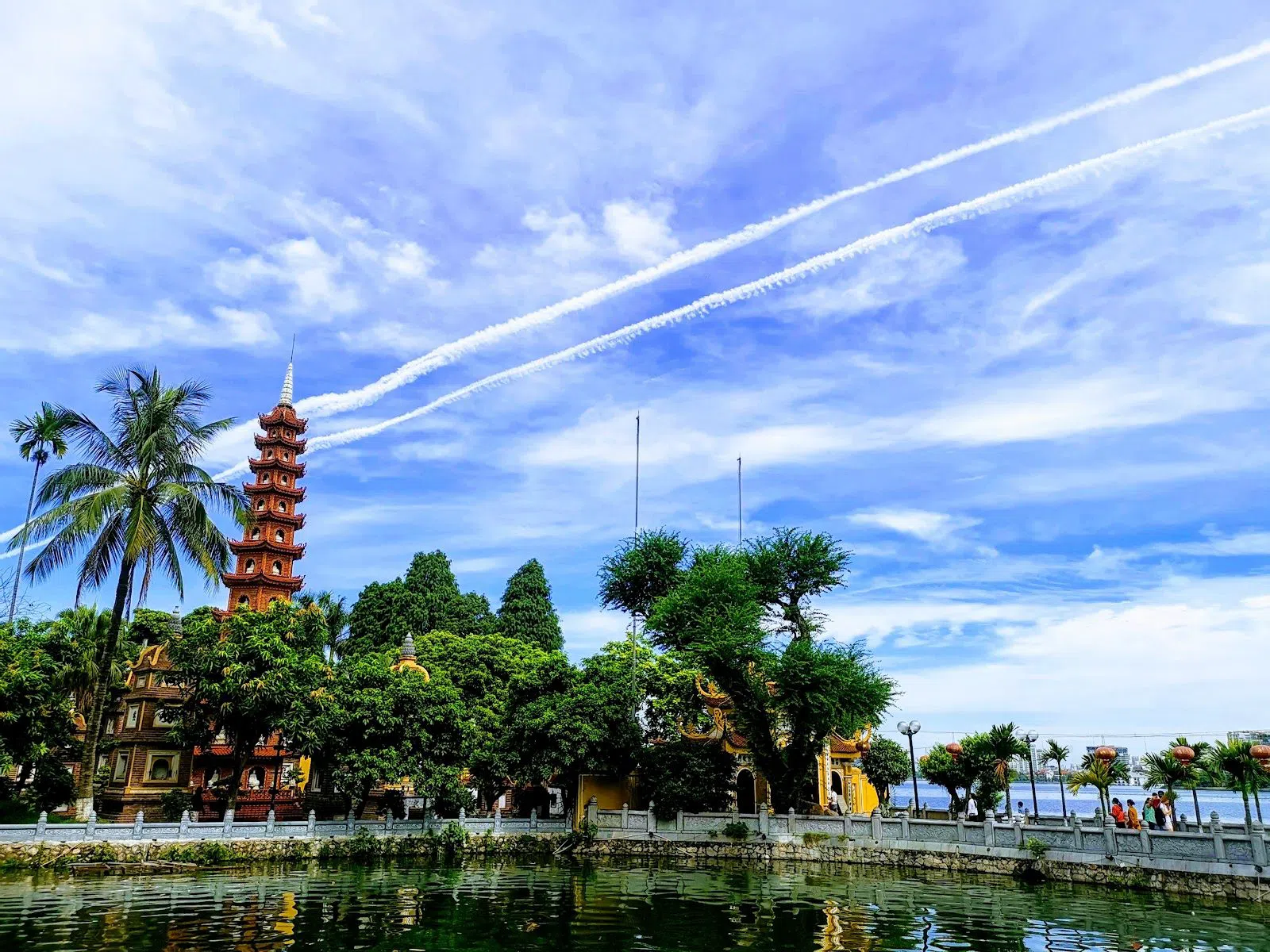
At its northern end, Tran Quoc Pagoda (West Lake, on the causeway) sits on a small island and is free to enter, open roughly 08:00 to 16:00. Cover shoulders and knees. The site is small, so a group should arrive in waves of three or four rather than as a block. It is an active place of worship with a working incense courtyard, and twelve people arriving together fills it. Ten minutes inside is enough; the point is the approach and the water on both sides.
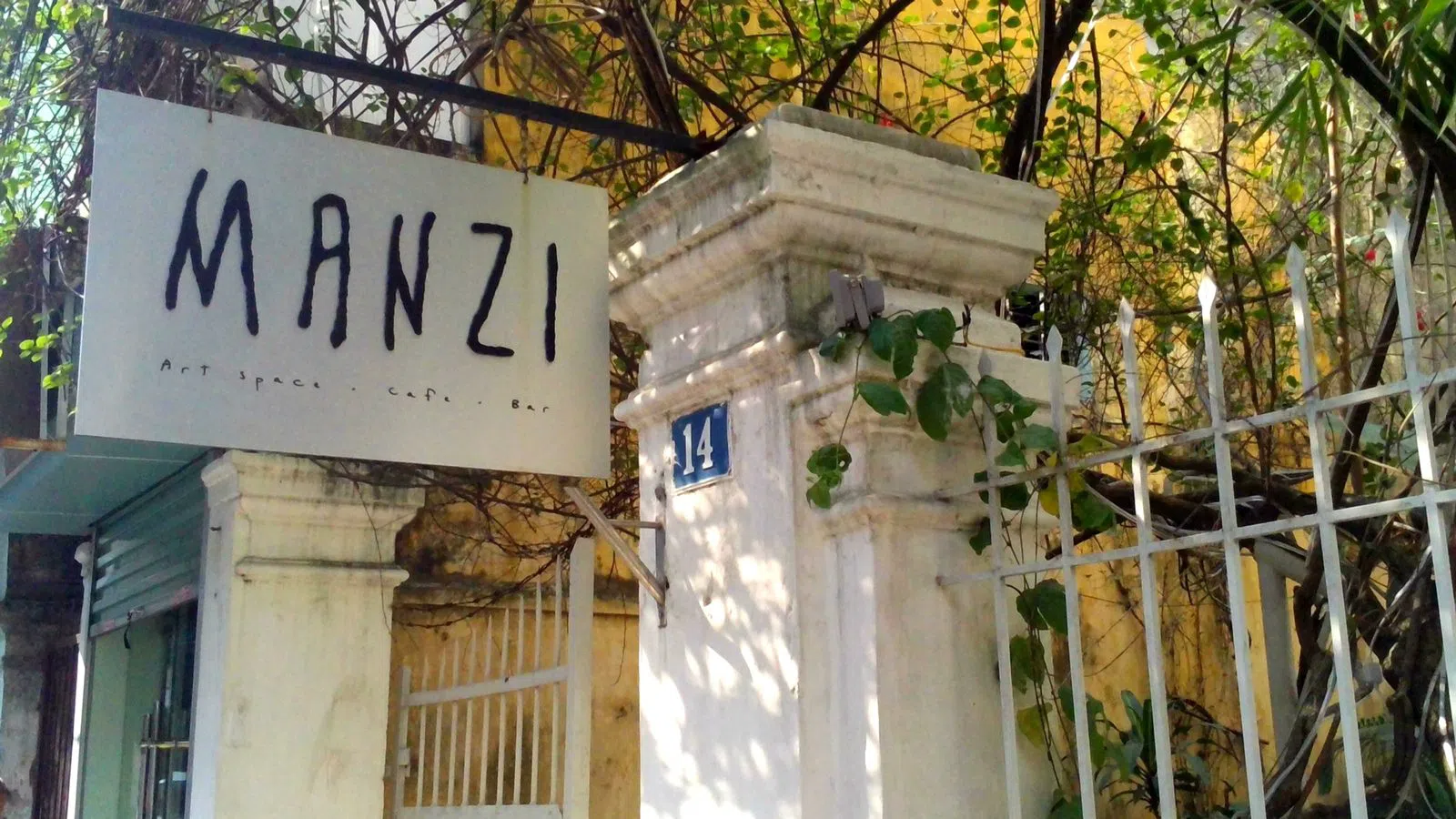
Walk south off the causeway and Manzi Art Space (Ba Dinh, a few streets from Truc Bach) is the natural pause. It is a quiet villa running the most serious independent art programme in the city, open 08:00 to 19:00 daily, gallery free, drinks 50,000 to 90,000 VND. It is not a group venue, four or five people being the maximum the rooms take without changing the atmosphere for everyone else, and because the programme rotates you should check what is installed before you make the walk.
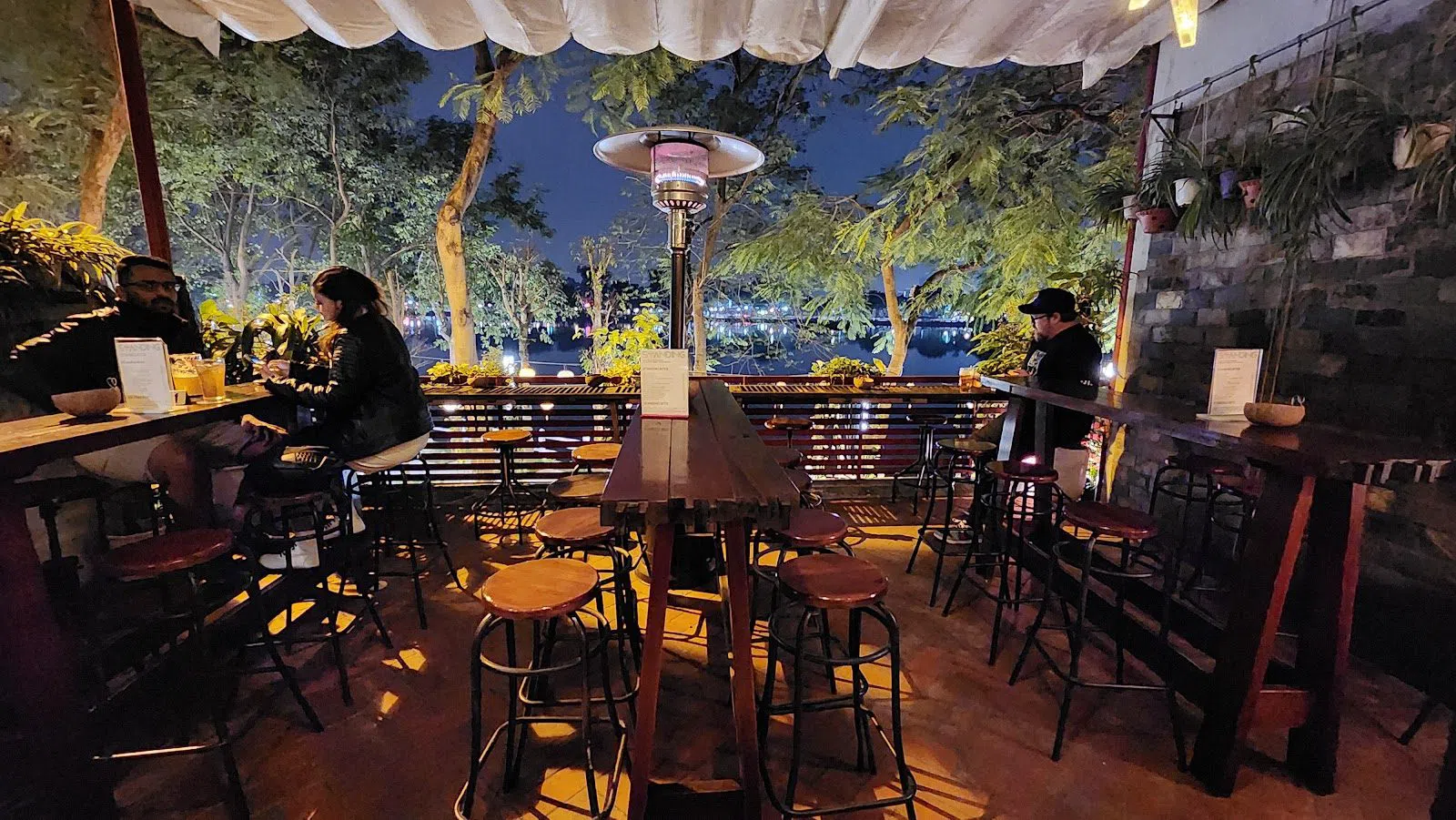
End the route at Standing Bar (Truc Bach, overlooking the water) which pours nineteen rotating taps of Vietnamese craft beer at 60,000 to 120,000 VND, with snacks in the same range. It is walk-in friendly, including for groups, but the balcony only seats a handful. If there are six of you and you want the water view, arrive before 18:00 and hold it. This is the honest alternative to the crush on Ta Hien: same city, a fraction of the noise, and a beer list that has some argument behind it.
The bridge, and a museum with an outdoor half
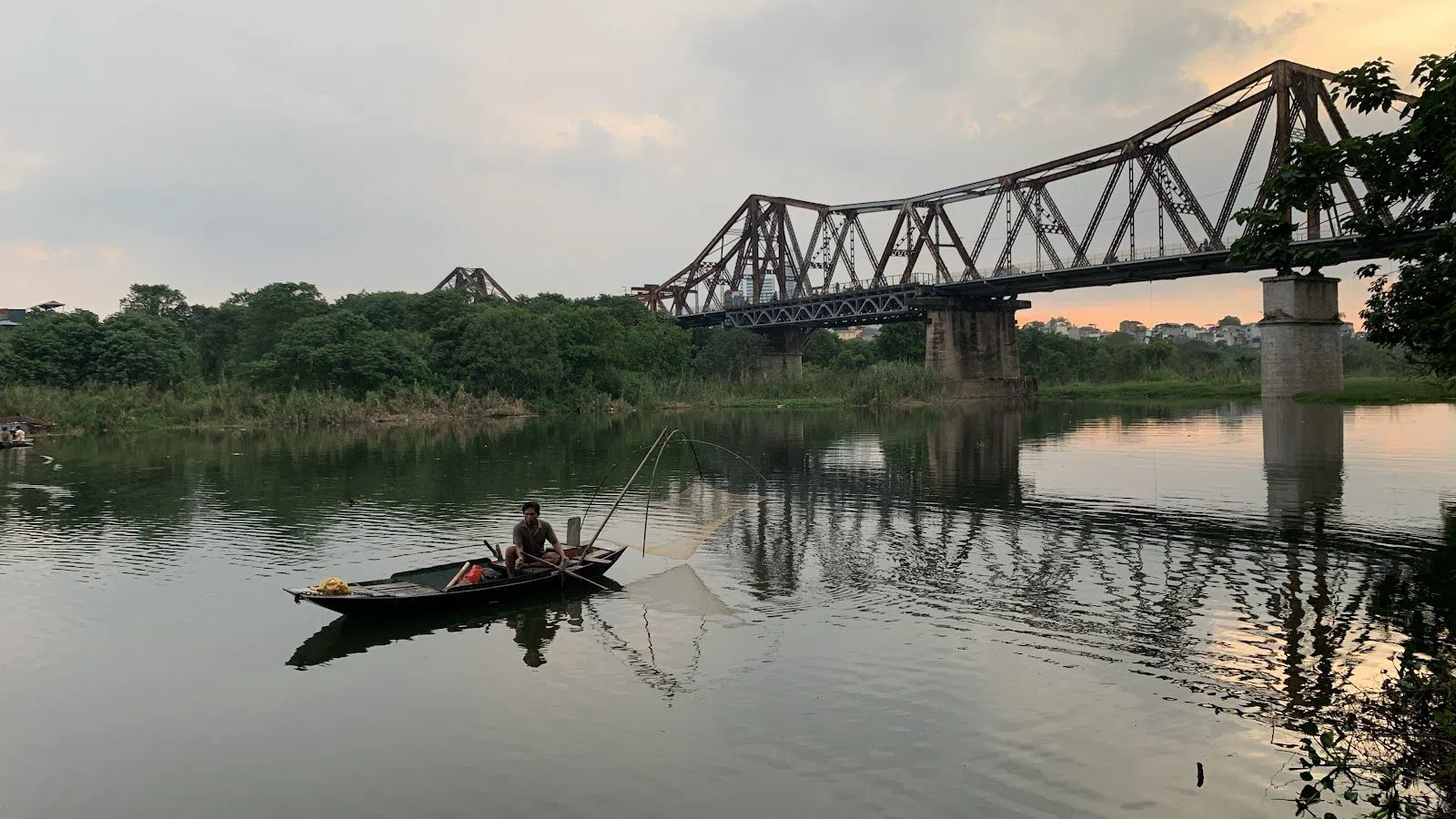
Long Bien Bridge (crossing the Red River from the northeastern edge of the Old Quarter) is free, public, and more than a century old: French-built steel spans that carried the first railway across the river and have been patched through every decade since. It closed for sixty days of walkway repairs in spring 2026 and reopened on 28 May, so the footpath is in better condition now than it has been for years. Walk it in small clusters. The footway is narrow, trains still use the centre track, and motorbikes use the lanes either side of you. Go late afternoon, when the light is low over the sandbank market gardens below and the heat has gone out of the steel.
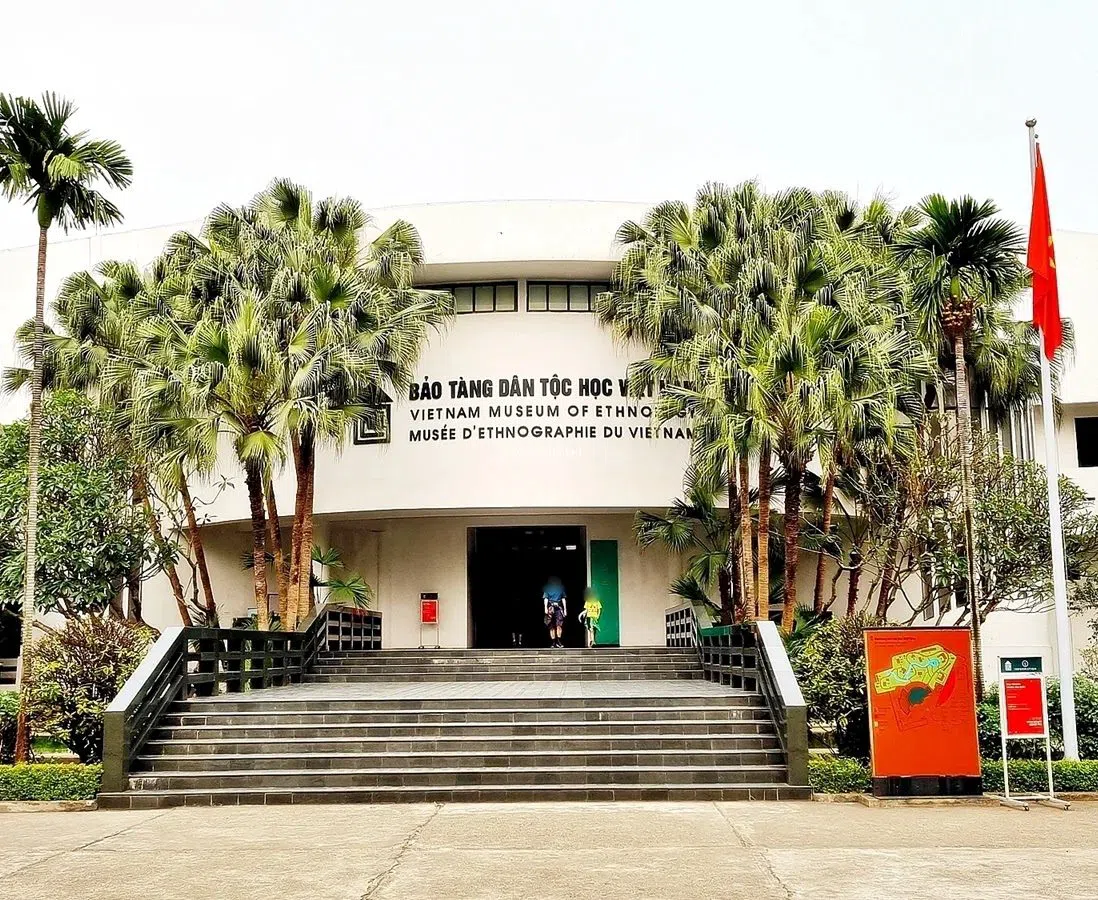
Out west, Vietnam Museum of Ethnology (Cau Giay, about 20 minutes from the centre) is 40,000 VND for adults and 20,000 for students, open 08:30 to 17:30 and closed Mondays. The indoor galleries on Vietnam's fifty-four ethnic groups are good, but the open-air garden of full-scale traditional houses behind them is the reason to make the trip, and it only works in decent weather, which in Hanoi means roughly now. It is a spacious site that takes groups without strain, and at weekends there is water puppetry and craft demonstration in the grounds. Give it three hours, not one.
Two tables worth planning around
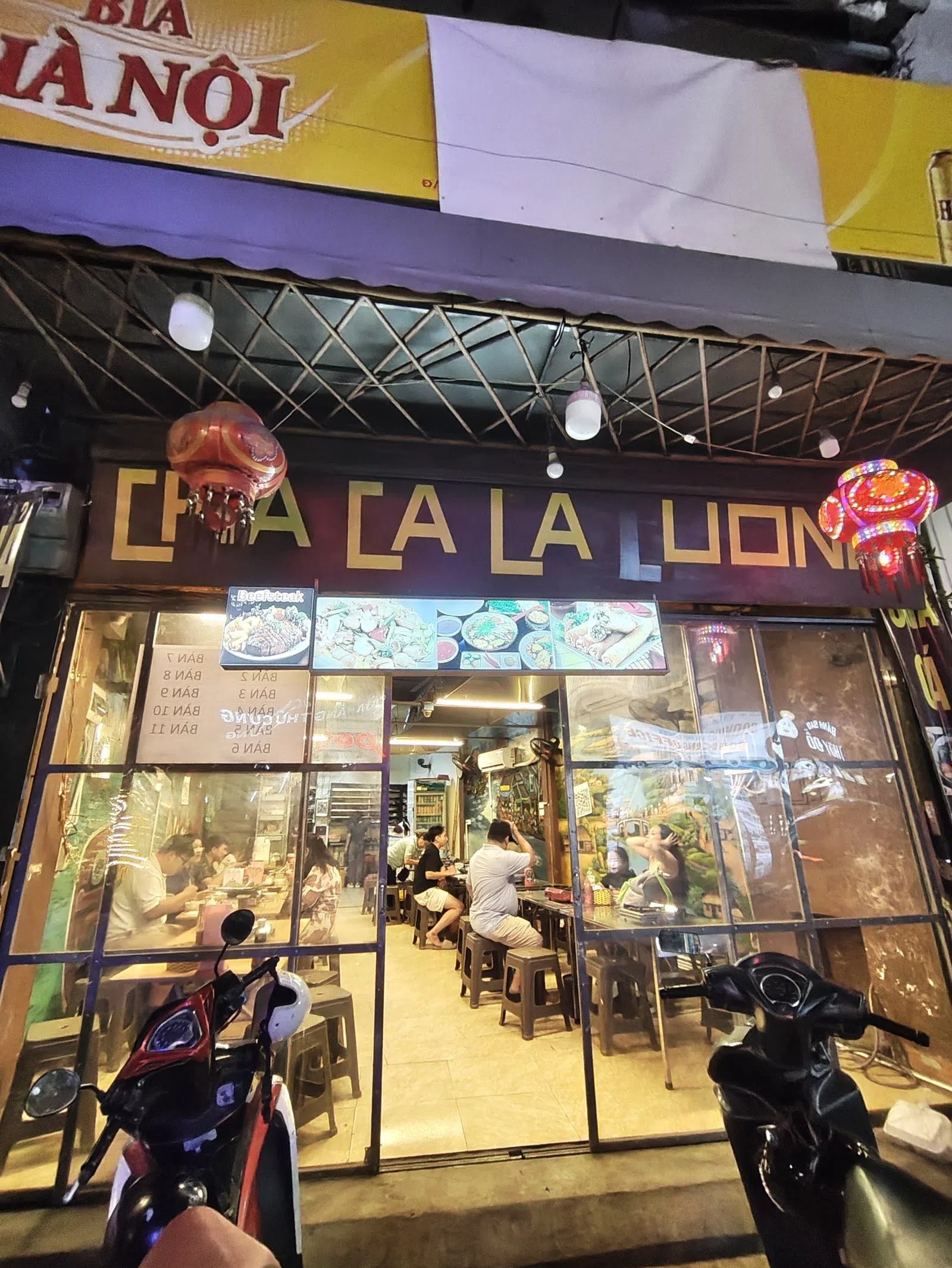
Chả Cá Thăng Long (Old Quarter, 6B Duong Thanh) has held a Bib Gourmand in the Michelin Guide for a fourth run in 2026, and does one thing: turmeric-marinated fish cooked in a pan at your table with dill and spring onion, folded through rice noodles and peanuts. Around 200,000 to 300,000 VND a head, open 10:30 to 21:00. Because each pan is cooked individually, book ahead for six or more. Note the address carefully. There are three same-name restaurants on the same street, and arriving at the wrong door is the most common mistake visitors make here.
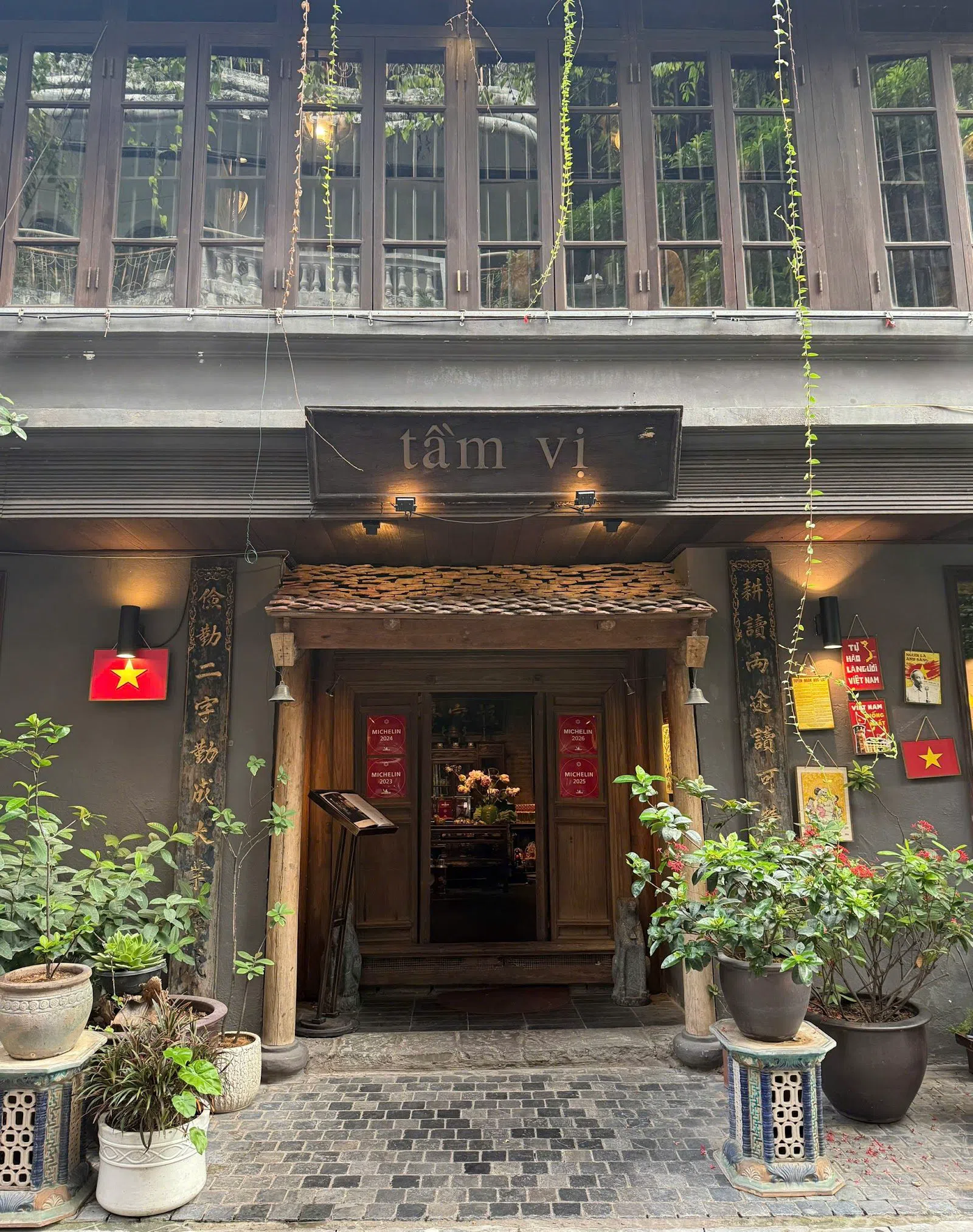
Tầm Vị (Ba Dinh, 4B Yen The) holds one Michelin star in the 2026 guide for northern home cooking (braises, river fish, pickled vegetables) presented as food rather than as plating. Expect 600,000 to 1,200,000 VND a person. It has two floors and a courtyard so a group of eight fits, but it books direct and it fills, so call well ahead rather than a day out. Service is 11:00 to 14:30 and 17:00 to 21:00. Its position is useful: Yen The is a short walk from the citadel, so a late lunch here and a citadel afternoon make one clean half-day.
A clear evening at height
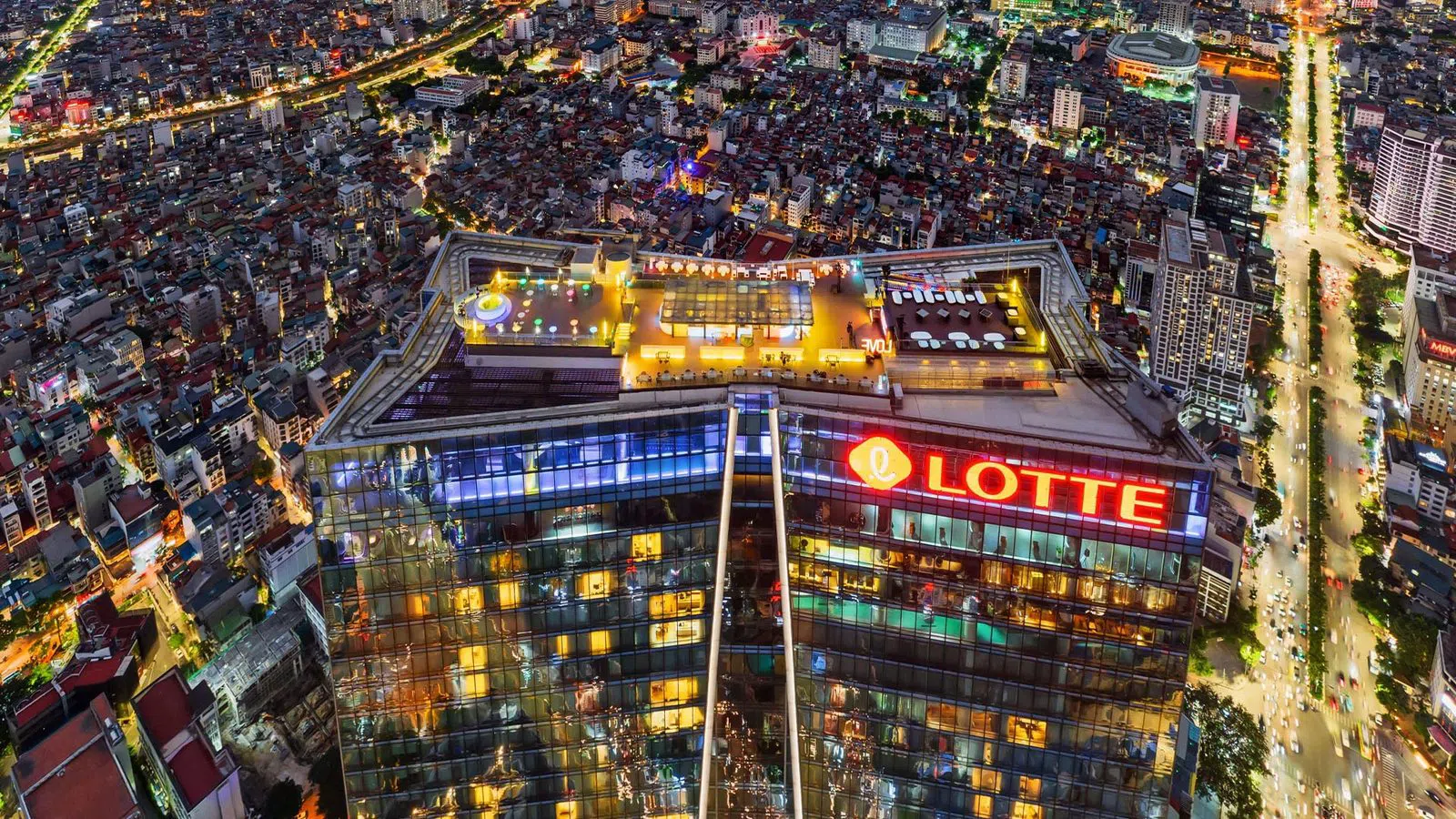
Top of Hanoi (Ba Dinh, atop the Lotte Hotel) opens 17:00 to midnight on the 65th floor, takes no reservations, and expects smart casual. Cocktails run 250,000 to 400,000 VND. Groups queue together at the lift transfer, which is the bottleneck rather than the door itself. October is what makes it worth doing: on a humid summer evening you pay rooftop prices for grey soup, and on a clear October one you can trace the Red River, pick out West Lake and see the ridgelines west of the city. Look up from street level before you commit. If the towers are hazy at six, the view will be hazy at seven.
Two days out of the city
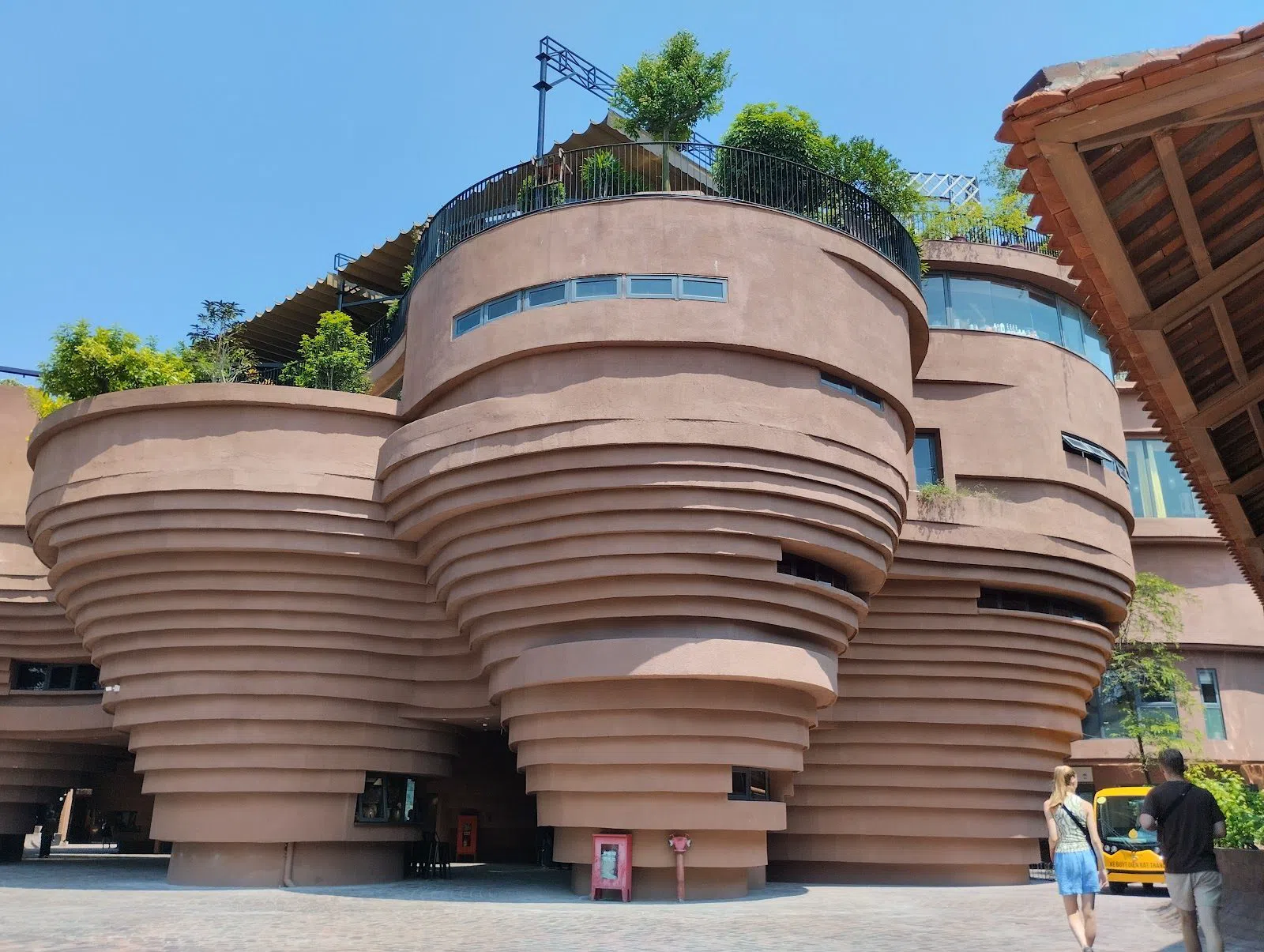
Bat Trang Pottery Village (Gia Lam, about 20km southeast) is a ceramics settlement that has been firing for centuries and is now organised for visitors without being hollowed out by it. The museum is about 50,000 VND and opens 08:00 to 17:00 on weekdays, to 18:00 at weekends, with open studios and a rooftop terrace; a wheel-throwing session is 50,000 to 150,000 VND. It suits groups particularly well, because workshops run in batches. You can get there on a public bus for small change, or take a half-day tour from about 500,000 VND if you would rather not solve the transport.
Trang An Landscape Complex (Ninh Binh province, roughly 90km south) is Vietnam's first mixed UNESCO site: limestone karst, flooded valleys, and a rowed boat that threads through low caves between temples. Tickets are 300,000 VND per adult including the boat, and pre-booked QR tickets let you skip the pier queue, which on a weekend saves an hour. Full-day tours from Hanoi run about 850,000 to 1,200,000 VND. Boats hold four to five, so a larger group splits across several; they travel in convoy, so you stay together in practice. The row is two to three-and-a-half hours with no shade at any point, which is precisely why this is an October trip and a poor July one. Take a hat regardless.
Where to base yourself
Staying inside the Old Quarter or on the eastern side of Hoan Kiem puts the lake loop, the puppet theatre, Cafe Giang and both Old Quarter restaurant streets inside a fifteen-minute walk, at the cost of scooter noise from six in the morning. The French Quarter south of the lake is quieter and better for early nights; Truc Bach and the southern edge of West Lake are quieter still and put the causeway walk on your doorstep, but you will use ride-hailing to reach the centre. Compare across all three in the Hanoi hotel search before fixing dates. October is high season for the city and the good mid-range rooms near the lake go first.
Practicalities
Transport. Walking covers the centre; assume 20 minutes to cross the Old Quarter on foot and rather more if you stop. Ride-hailing apps work well and are the cheapest way to reach the Museum of Ethnology, the Lotte tower or Yen The, and a cross-city car fare is usually well under 150,000 VND. Public buses reach Bat Trang cheaply. For Trang An, take the organised transfer rather than improvising; the driving is the tedious part of the day.
Cash. Carry Vietnamese dong in small notes. Temple entries, the pagoda donation box, Cafe Giang and bus fares are cash transactions; the starred restaurant, the rooftop and hotels take cards. ATMs are everywhere in the centre and dispense in 50,000 and 500,000 notes, so break the large ones at a supermarket early.
Timing. The citadel and the Museum of Ethnology close on Mondays. The Temple of Literature night walk runs Wednesday, Saturday and Sunday; the citadel and Hoa Lo night programmes run Friday and Saturday only. The lake goes car-free from about 19:00 Friday to late Sunday. Book Hoa Lo's night session one to two months out, Tầm Vị a week or more out, and weekend puppet shows two to three days out.
Budget. A day of temples, museums and street food sits comfortably under 500,000 VND a head. Add a night tour and a table at Chả Cá Thăng Long and you are near 900,000. A rooftop evening or dinner at Tầm Vị puts a day past 1,500,000, and a full-day trip south adds roughly a million on top. Nothing in this city needs to be expensive, but the things worth paying for in October are the ones that put you outdoors after dark.
Before you go
Is October a good month to visit Hanoi?
Yes, and mainly because of walking. The first ten days can still feel like September, humid with the odd heavy shower, but the second half usually brings drier air and highs in the high twenties, which makes the midday hours usable again. The 2km Hoan Kiem Lake loop, the Thanh Nien causeway and the exposed boat row at Trang An all work in October and are punishing in July. It is also high season, so book rooms and night tours ahead.
How far ahead do I need to book Hanoi's night tours?
It varies by site. The 'Sacred Night' programme at Hoa Lo Prison Memorial (Friday and Saturday, 19:00 to 21:00, 399,000 to 499,000 VND) is small-capacity and typically sells out one to two months ahead. The Imperial Citadel night tour (Friday and Saturday, 19:00, 300,000 VND) is capped and needs booking ahead for any group. The Temple of Literature night walk runs Wednesday, Saturday and Sunday on timed slots and can usually be picked up a few days out.
Which Hanoi venues actually work for a group of eight or more?
The Imperial Citadel by day, the Temple of Literature, the Vietnam Museum of Ethnology, Bat Trang Pottery Village and Thang Long Water Puppet Theatre all take large parties without strain, and the theatre even charters private shows. Chả Cá Thăng Long and Tầm Vị fit groups but need advance booking. Manzi Art Space (four or five people maximum) and Cafe Giang (tiny, split across floors) do not; Tran Quoc Pagoda works only if you arrive in waves of three or four.
Do I need cash in Hanoi or will cards do?
Both. Cards are fine at hotels, Tầm Vị and the Lotte rooftop, but Vietnamese dong in small notes is essential for temple entry at Ngoc Son (30,000 to 50,000 VND, cash only), the Museum of Ethnology, bus fares to Bat Trang and cafes like Cafe Giang. ATMs across the centre dispense large 500,000 notes, so break a couple at a supermarket on your first day.
What is the best day trip from Hanoi in October?
If you have a full day, Trang An in Ninh Binh province is about 90km south, at 300,000 VND per adult including the rowed boat, or 850,000 to 1,200,000 VND on an organised full-day tour. The row is two to three-and-a-half hours with no shade, so October's cooler, drier air changes the experience completely. For a half day, Bat Trang Pottery Village is roughly 20km out, reachable by public bus, with a museum at about 50,000 VND and wheel-throwing sessions from 50,000 VND.