The Hanoi issue
The 36 Streets: Walking Hanoi's Thousand-Year-Old Guild Quarter
A route-led walk through Hanoi's Old Quarter, where each lane once sold one trade — and still tells you where to drink, eat and pause a thousand years on.

By Rui MarquesTwo unhurried days, not nine temples
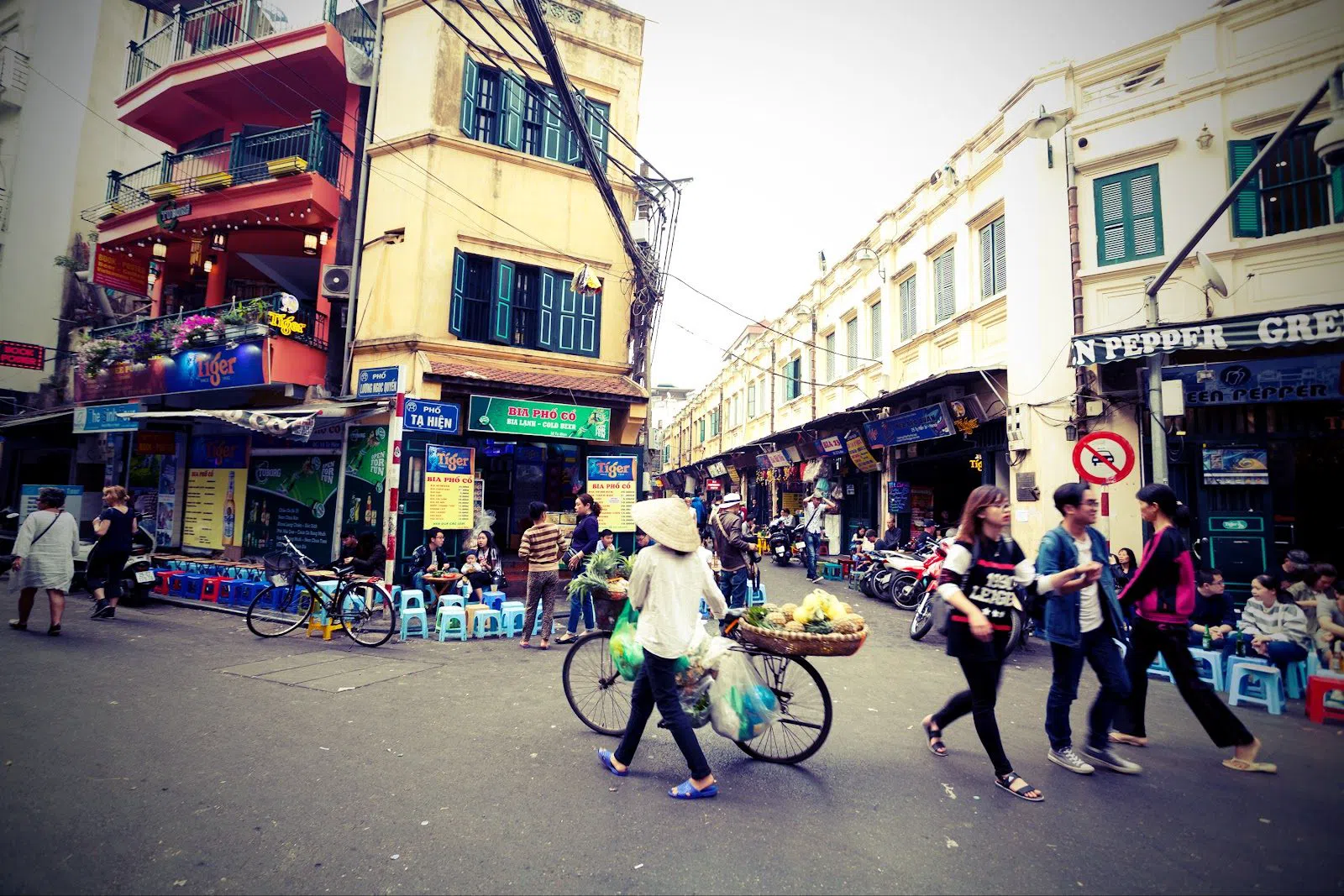
The Old Quarter does not open onto you all at once. You arrive at the north edge of Hoan Kiem Lake, turn into a lane barely wide enough for two motorbikes to disagree, and the city closes overhead — shophouses leaning in, a tangle of wires, the smell of charcoal and star anise. This is the guild quarter Hanoi has kept building since the eleventh century, when artisans clustered by trade around the royal citadel, each street taking the name of what it made. Walk it slowly and the logic is still legible under the noise.
Reading the grid before you walk it
The "36 streets" is more a habit of speech than an exact count; the number nods to the old guilds rather than a survey. What matters for a visitor is that the naming survives. Streets beginning with Hang mean "merchandise" — Hang Bac was silversmiths, Hang Gai sold hemp and now silk, Hang Ma still glitters with votive paper. The trades have blurred, but pockets hold: a lane of tin-beaters here, a row of gravestone carvers there, a whole street of nothing but shoes. You are not meant to tick this quarter off. You are meant to lose the plot on purpose, then use the lake at the south edge to find north again.
A practical shape for a day: start with coffee, drift through the market, anchor the afternoon on one piece of history, then let the evening loosen into beer and cocktails. The distances are short — most of what follows sits inside a fifteen-minute walk of the others — so the constraint is never transport. It is stamina, heat, and the pull of a hundred small stalls. Give yourself a full day and an evening; two if you want the eating tours and a class. For where to base yourself within striking distance of all this, the Hanoi hotel search is the place to start, and the wider Hanoi guide sets the context beyond the Old Quarter's walls.
Plan your Hanoi trip
Live prices from our booking partners.
Free cancellation on many rooms. We may earn a commission when you book.
Coffee first, because the quarter runs on it
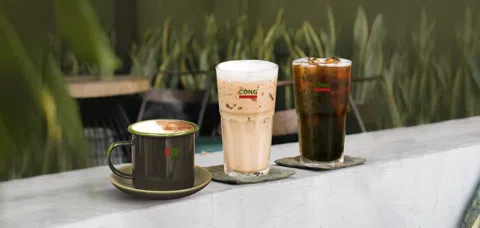
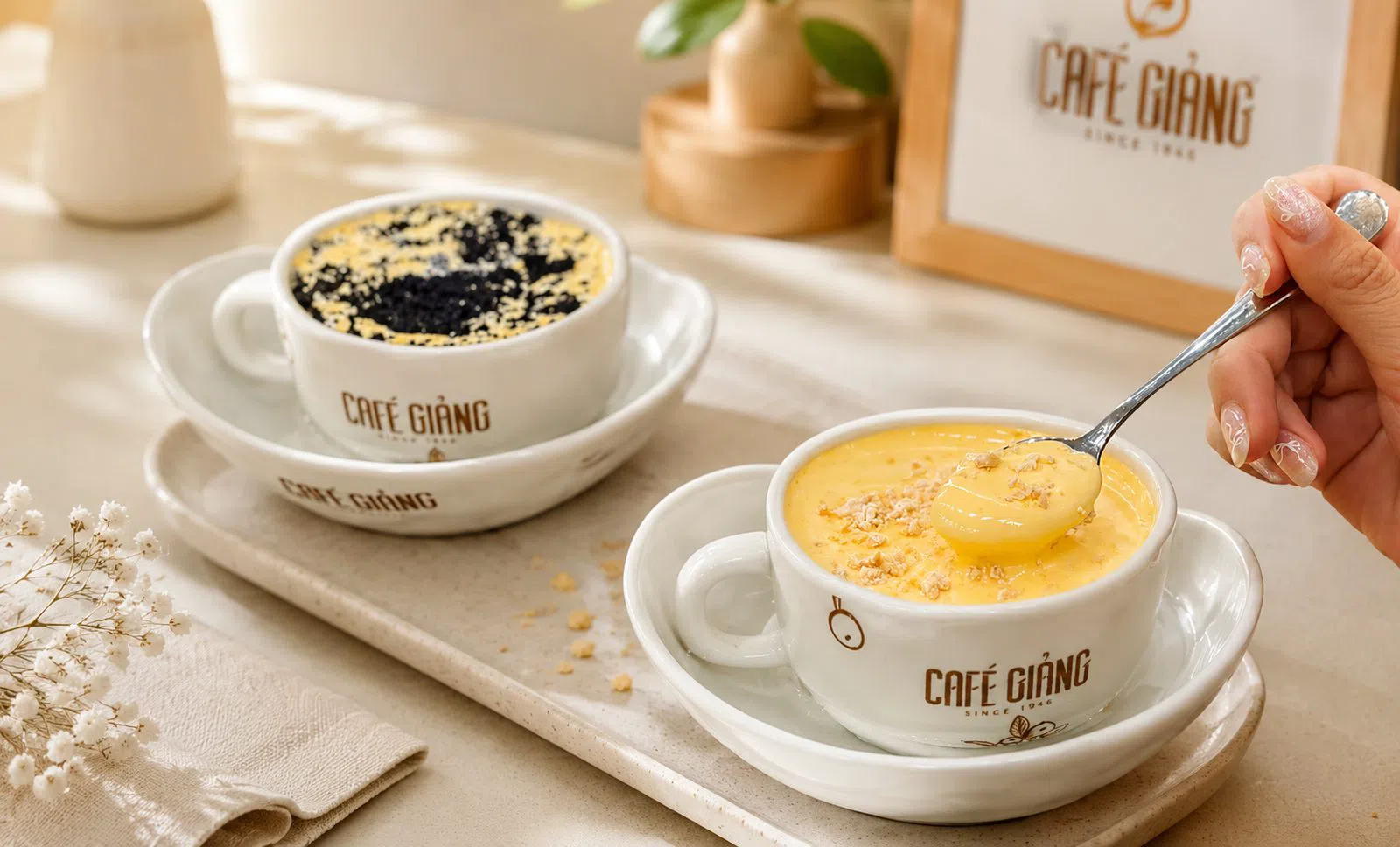
Begin where Hanoi's most exported idea was born. Café Giảng (a narrow lane off Nguyen Huu Huan, at the quarter's eastern edge) is the 1946 birthplace of egg coffee — cà phê trứng — invented by Nguyen Van Giang when wartime milk shortages sent him reaching for whisked egg yolk instead. The result is closer to warm tiramisù than to a flat white: a robusta base under a thick, sweet, custardy cap. It is a casual walk-in, and the tables are small, so a large group will end up scattered across a couple of floors — no bad thing, since turnover is quick and the point is the cup, not the room. Egg coffee runs about 25,000–35,000₫, roughly a dollar and change. Order it hot the first time; the cold version is a summer concession, not the original.
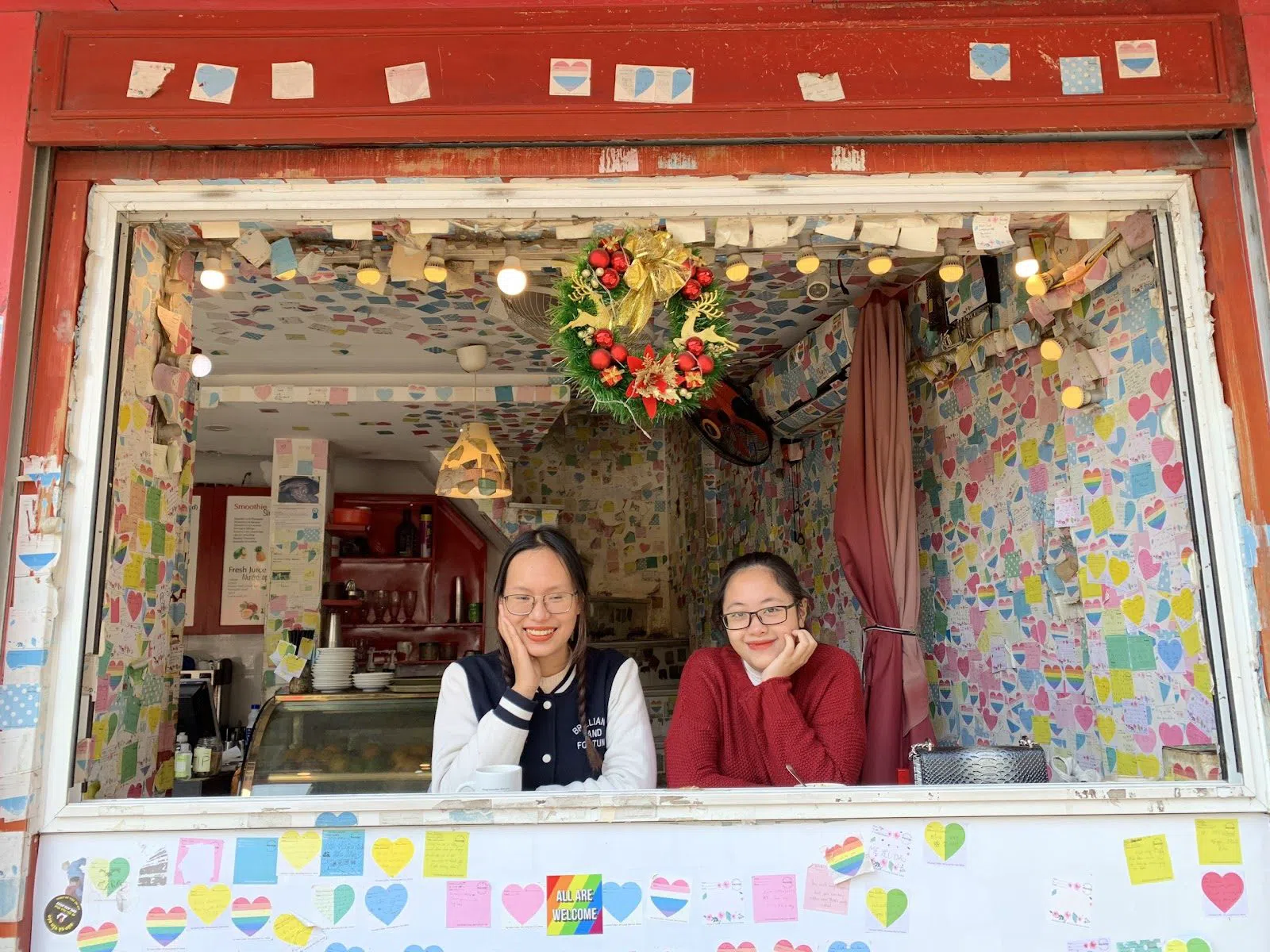
For a second cup with a view rather than a story, The Note Coffee sits at the northwest shoulder of Hoan Kiem Lake, its four floors papered wall-to-ceiling in tens of thousands of handwritten sticky notes left by earlier visitors. It welcomes groups across those floors, and the window tables over the water are the seats worth queuing a few minutes for. Drinks land around 45,000–70,000₫. It is unashamedly touristic — you are paying partly for the wall and the window — but it earns its place as a photogenic, participatory pause, and leaving your own note is the closest this quarter comes to a guestbook. Take it for what it is and it delivers.
The commercial heart: Dong Xuan Market
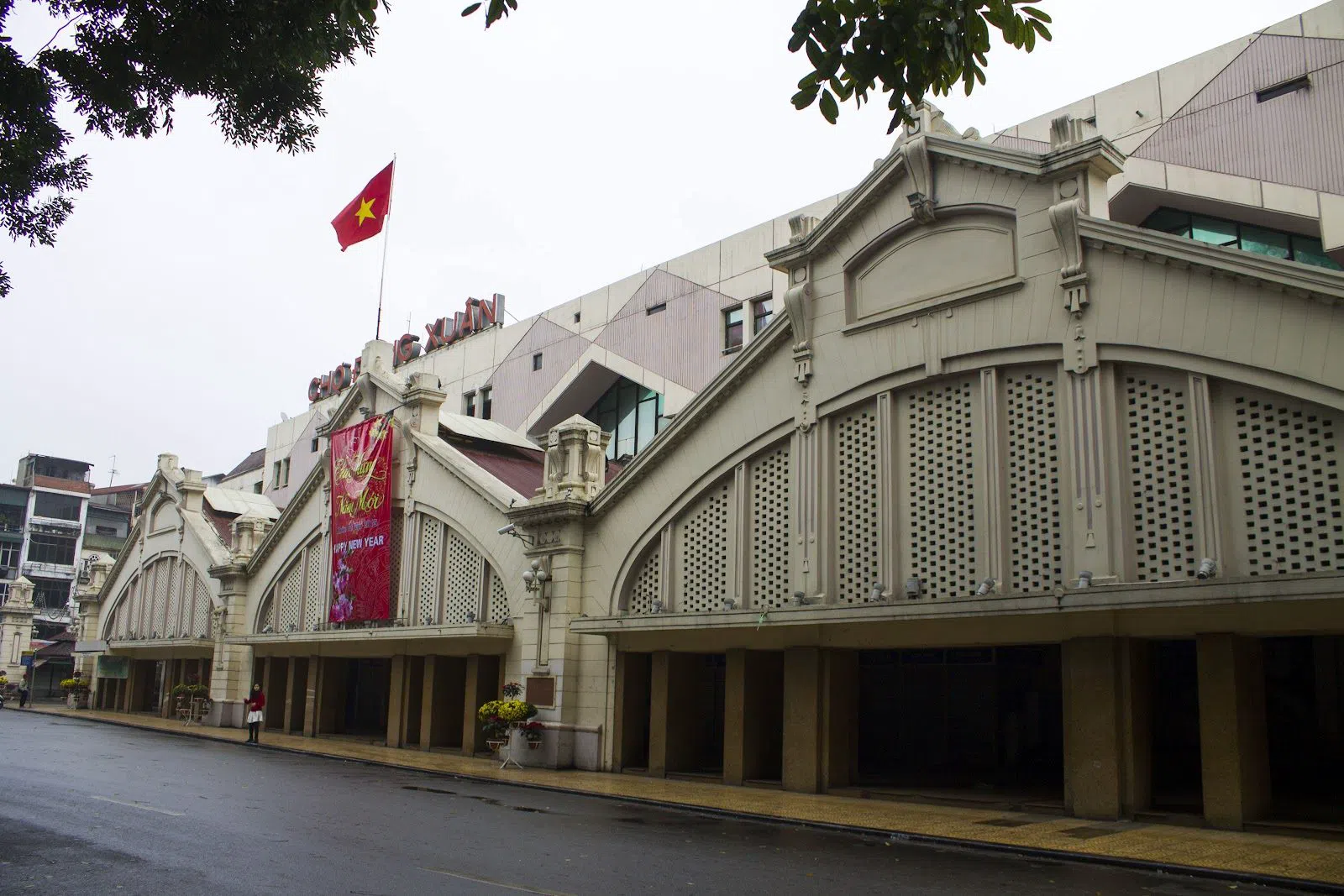
Every guild quarter needs a wholesale engine, and Hanoi's is Dong Xuan Market, the three-storey iron-and-concrete hall at the northern end of the Old Quarter, near the old city gate. It has been the commercial heart here since the French rebuilt it in the 1890s, and it still trades the way a market should — dry goods and fabric below, clothes and household stock above, the aisles narrow enough that the crowd sets your pace. Entry is free; you pay per purchase. Come in the morning to see it working rather than performing, and go in with the understanding that this is a place of trade, not a curated experience. From Friday to Sunday evening the streets immediately outside give over to a night market, and that is when to bring an appetite: stalls of grilled skewers, sweet chè, and the occasional impromptu performer stretch the market's energy out into the dark. Pair the hall by day with the night market on a weekend and you have seen both halves of what Dong Xuan is for.
One anchor of history for the afternoon
The Old Quarter carries its past lightly until you go looking, and then it is everywhere. Give the afternoon a single fixed point rather than three rushed ones.
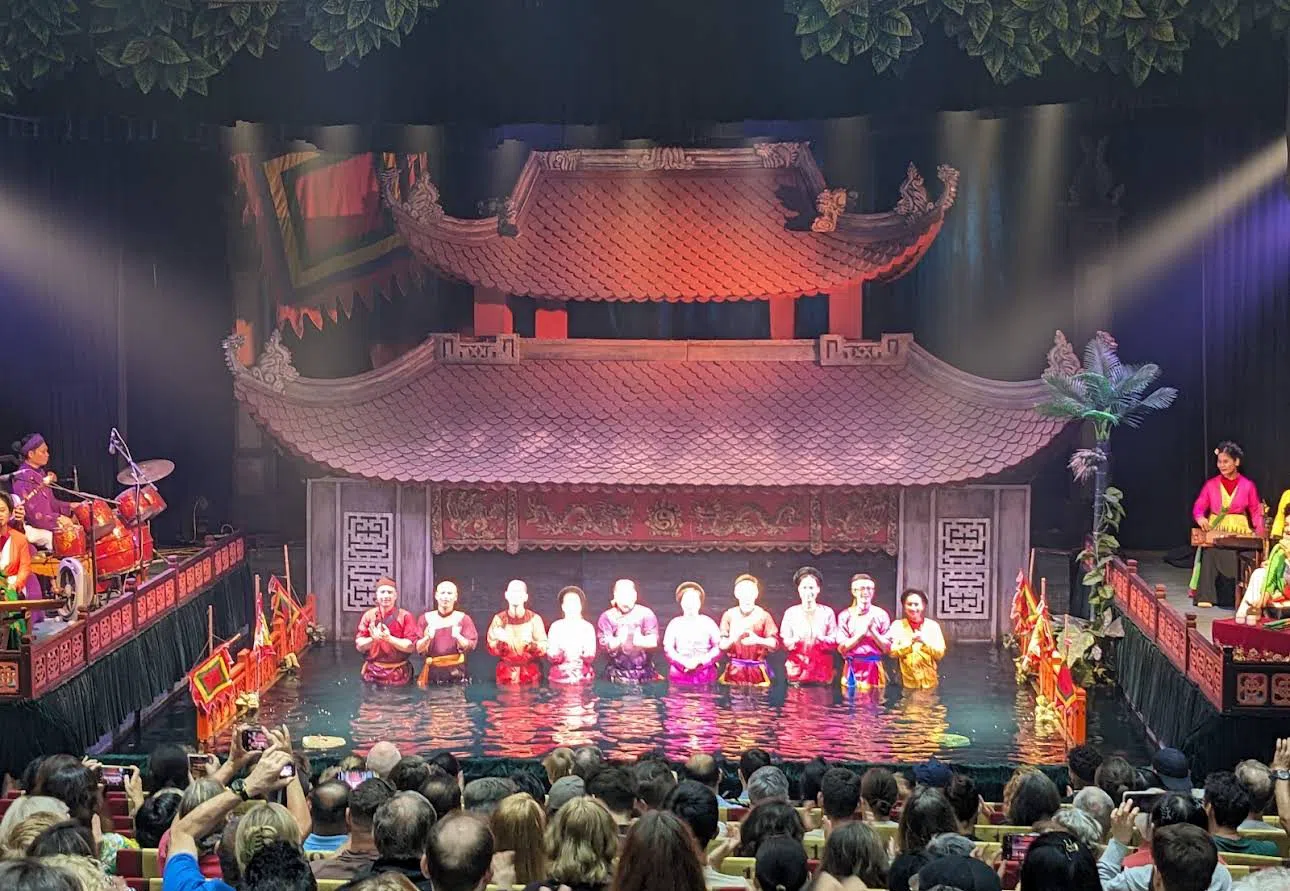
The easiest cultural anchor is Thang Long Water Puppet Theatre, on the northeast corner of Hoan Kiem Lake. Water puppetry is a Red River Delta tradition — villages once staged it on flooded paddies, the puppeteers hidden waist-deep behind a screen — and the fifty-minute show here condenses folk tales, a live musical ensemble and a good deal of splashing into a form that reads clearly whatever language you arrive with. The tiered seating suits groups, and there are several shows daily across three price tiers from about 100,000₫. The catch is weekends: slots sell out two to three days ahead, so book group tickets early rather than turning up hopeful.
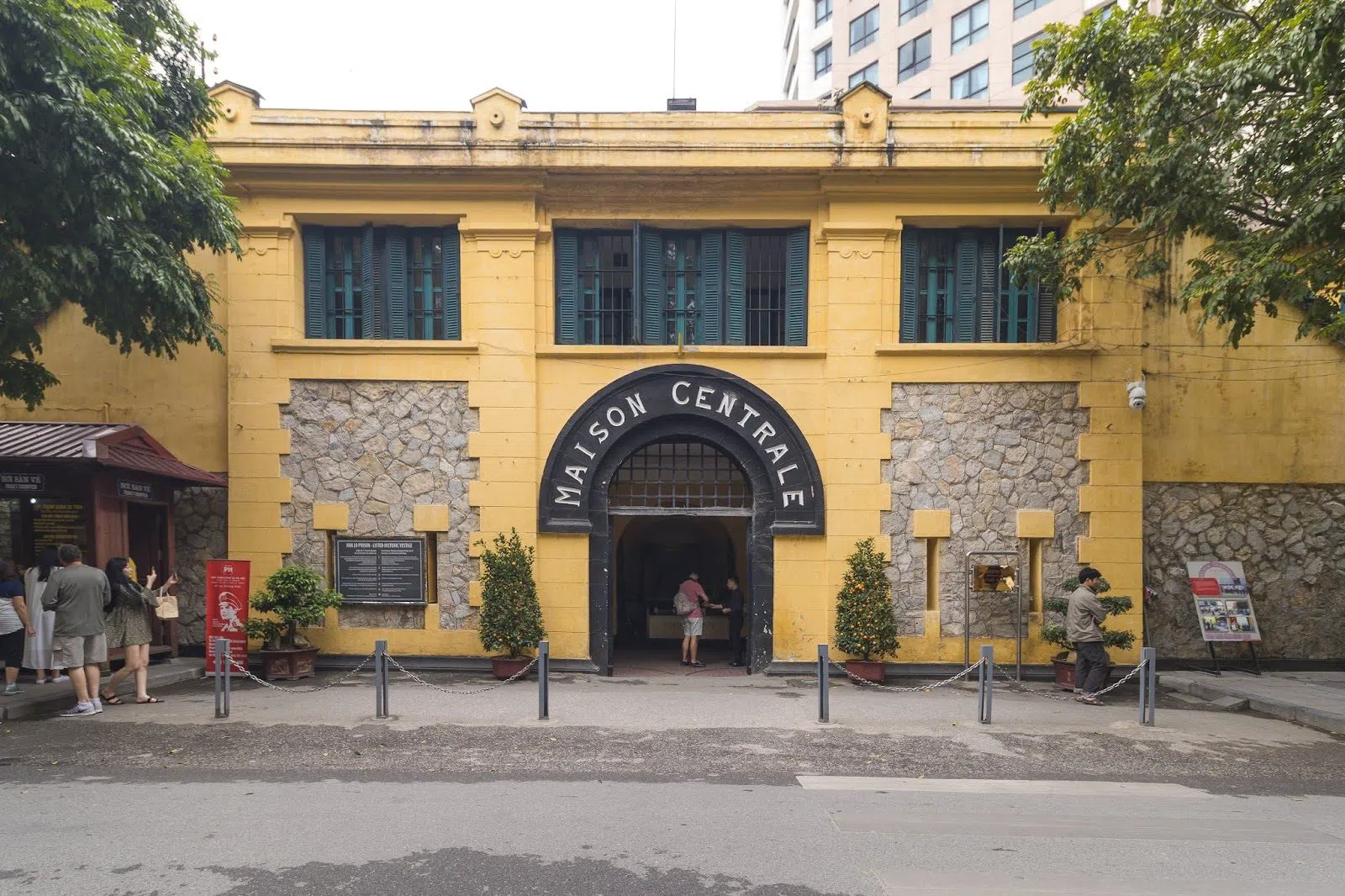
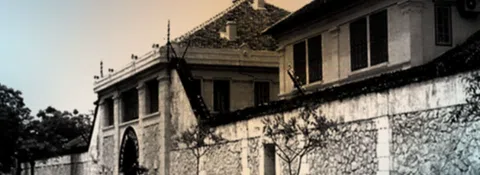
For something heavier, walk ten minutes southwest to the Hoa Lo Prison Relic, the site the American POWs held here wryly nicknamed the "Hanoi Hilton." Built by the French to hold Vietnamese political prisoners and later used in the war years, it is now a well-curated museum that does not flinch — the daytime visit costs 30,000₫ and rewards a slow reading of the cell blocks and the shackle rooms. The standout, though, is the Friday-to-Sunday night tour: a theatrical, candle-lit walk-through at around 100,000₫, with tightly limited capacity that needs booking ahead. It handles groups fine by day; the night tour is where a small, committed group gets the most.
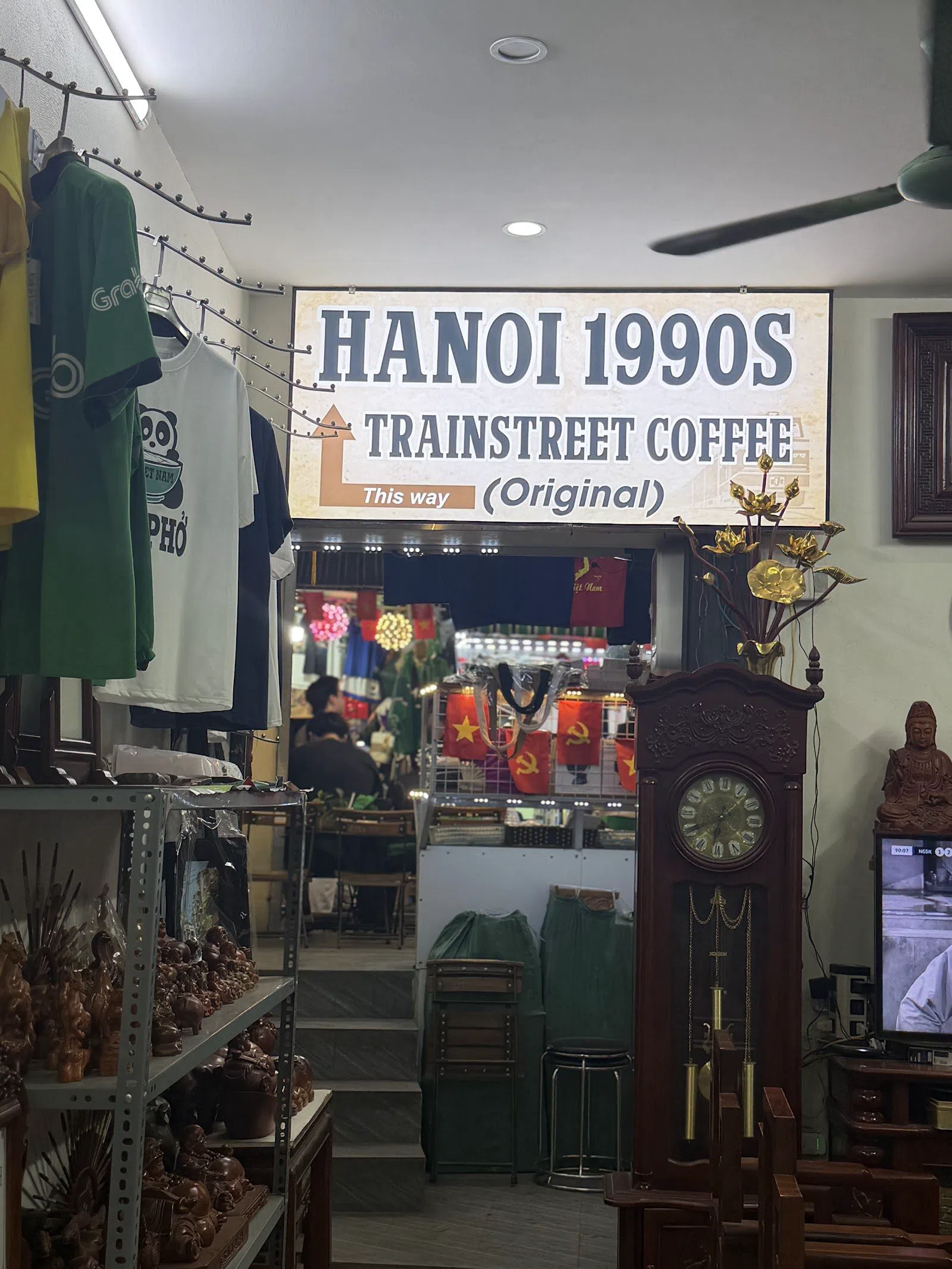
The third history stop needs a clear head about the rules. Hanoi Train Street — the residential rail corridor reached from the lanes off Le Duan and the Phung Hung café side — is the strip where a working train passes within arm's reach of shopfront tables. Guided group tours were banned in 2025 after safety incidents, and that ban is enforced: guards turn away organised parties. You can still go independently, entering through one of the cafés that seats you for the price of a drink, roughly 35,000–50,000₫. Check the timetable, obey the guards, and treat the setback lines painted on the ground as instructions, not decoration. This is a genuine safety point — trains do not slow for photographs — so go quietly, as individuals, or not at all.
Learning to eat the quarter
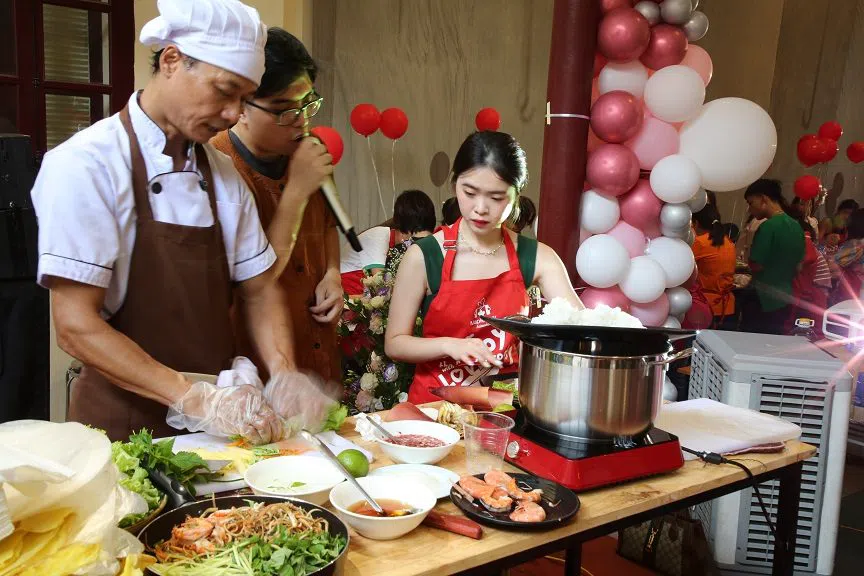
Hanoi's street food rewards knowing which stall to trust, and for a first-timer that knowledge is worth buying. The Hanoi Street Food Tour (hanoistreetfoodtour.com) has run these lanes since 2013 and is explicitly built for small groups, with scheduled daily walks at 11:00, 17:00 and 18:30 alongside private options. Reckon on about $20–30 a person including all the food, which typically threads bún chả, phở, bánh cuốn and a stop or two you would never have found alone. For decoding what is safe, fresh and worth the queue, a guided eat on the first evening pays for itself across the rest of the trip.
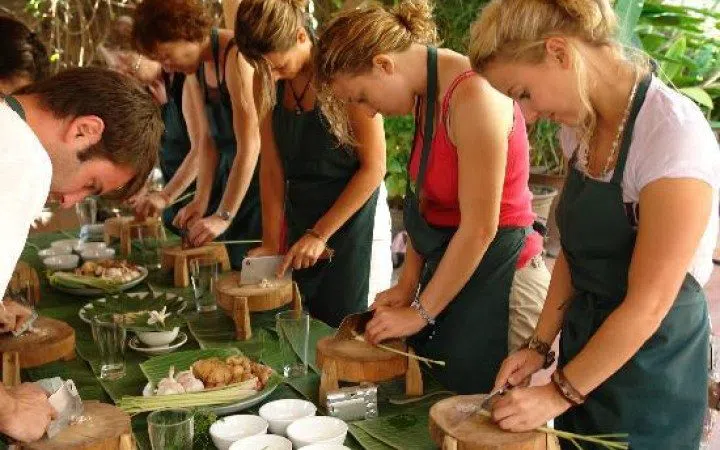
If you would rather learn the mechanics than just the map, the Hanoi Cooking Class Centre runs morning and afternoon sessions, most including a market tour that folds neatly into a day already spent among stalls. It is designed for groups, with private sessions available, and sits at the pricier end for this quarter — roughly $35–55 a person. Think of it as the hands-on complement to the eating tour: one shows you where the city eats, the other sends you home able to cook a plate of it. Groups wanting to take a recipe back rather than just a memory should book this over a second restaurant dinner.
After dark: beer, cocktails and two rooftops
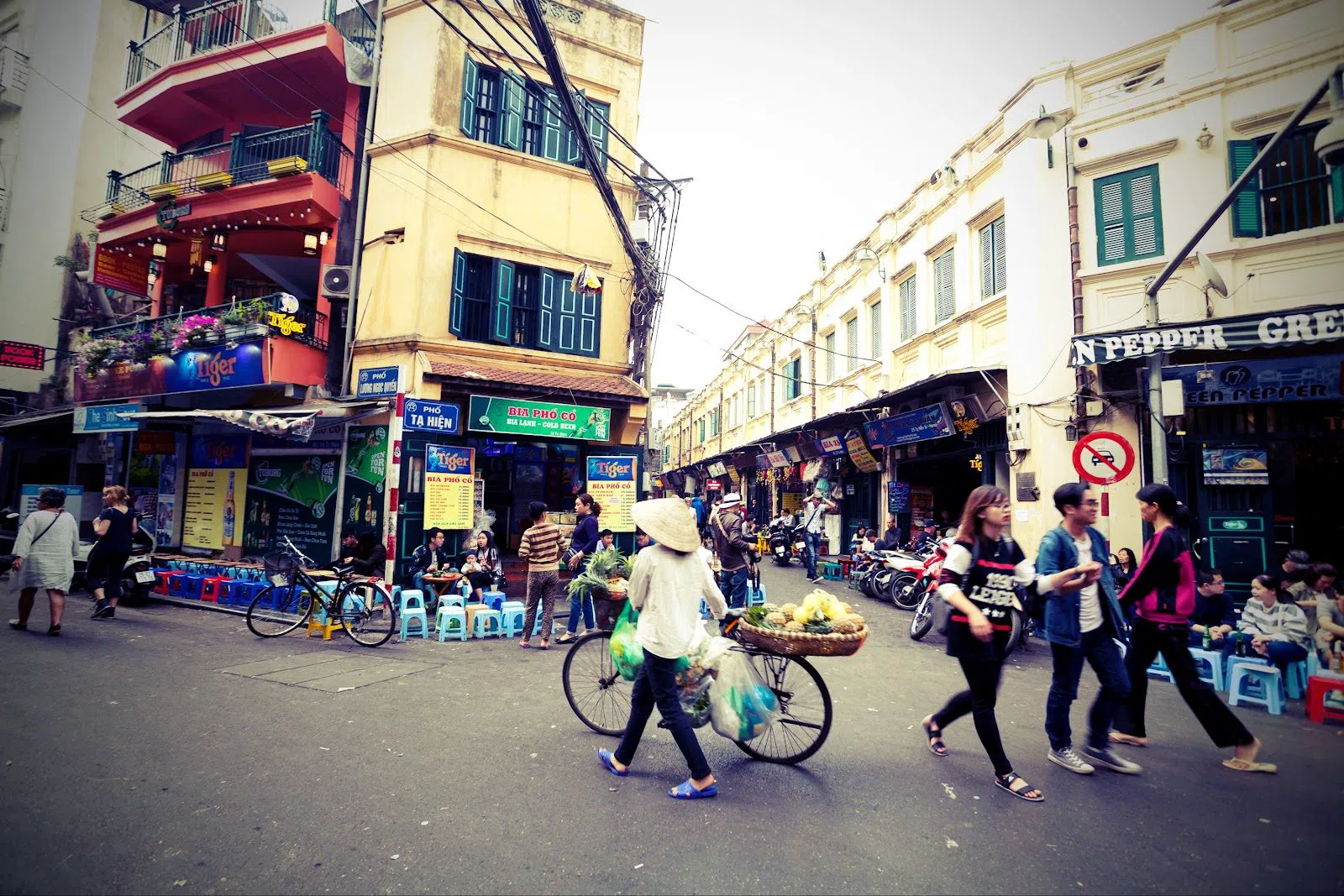
The quarter's night has a clear centre of gravity, and it is Ta Hien Beer Street — the lane locals still call Bia Hoi Corner, a couple of blocks east of the lake. This is fresh bia hoi, the light draught brewed and delivered daily, poured into plastic stools that spill across the tarmac at 15,000–25,000₫ a glass, comfortably under a dollar. It is built for groups: you pull stools together and the street does the rest, and from Friday to Sunday evenings the lane goes car-free and pedestrian, with no door policy to speak of. Two honest cautions. Pickpockets work the crush, so keep a hand on your phone; and "tourist" snack prices on the wandering trays can be quietly inflated, so agree a price before anything lands on your table. Watch the tab and it is the definitive Old Quarter night — cheap, loud and sociable.
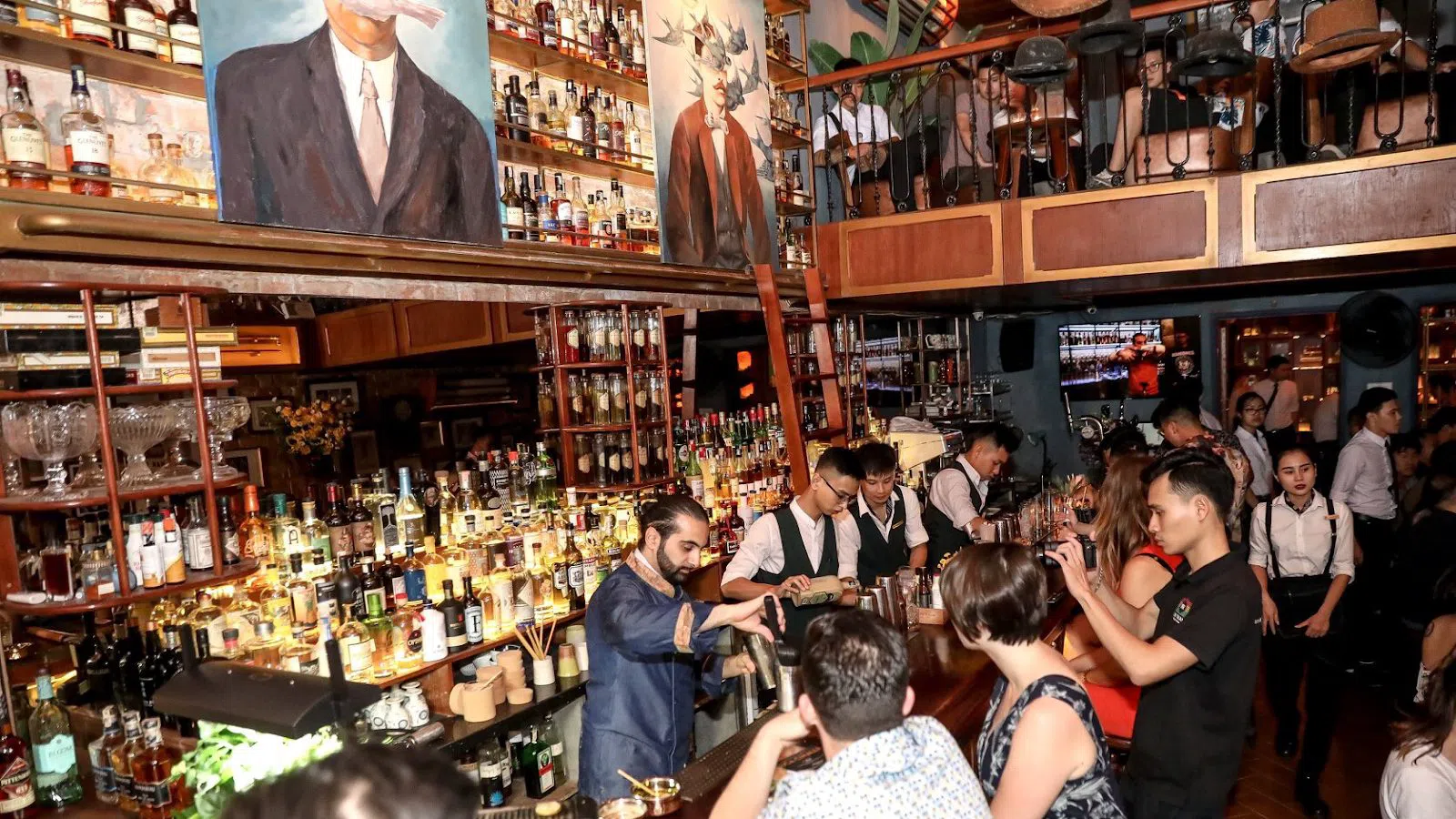
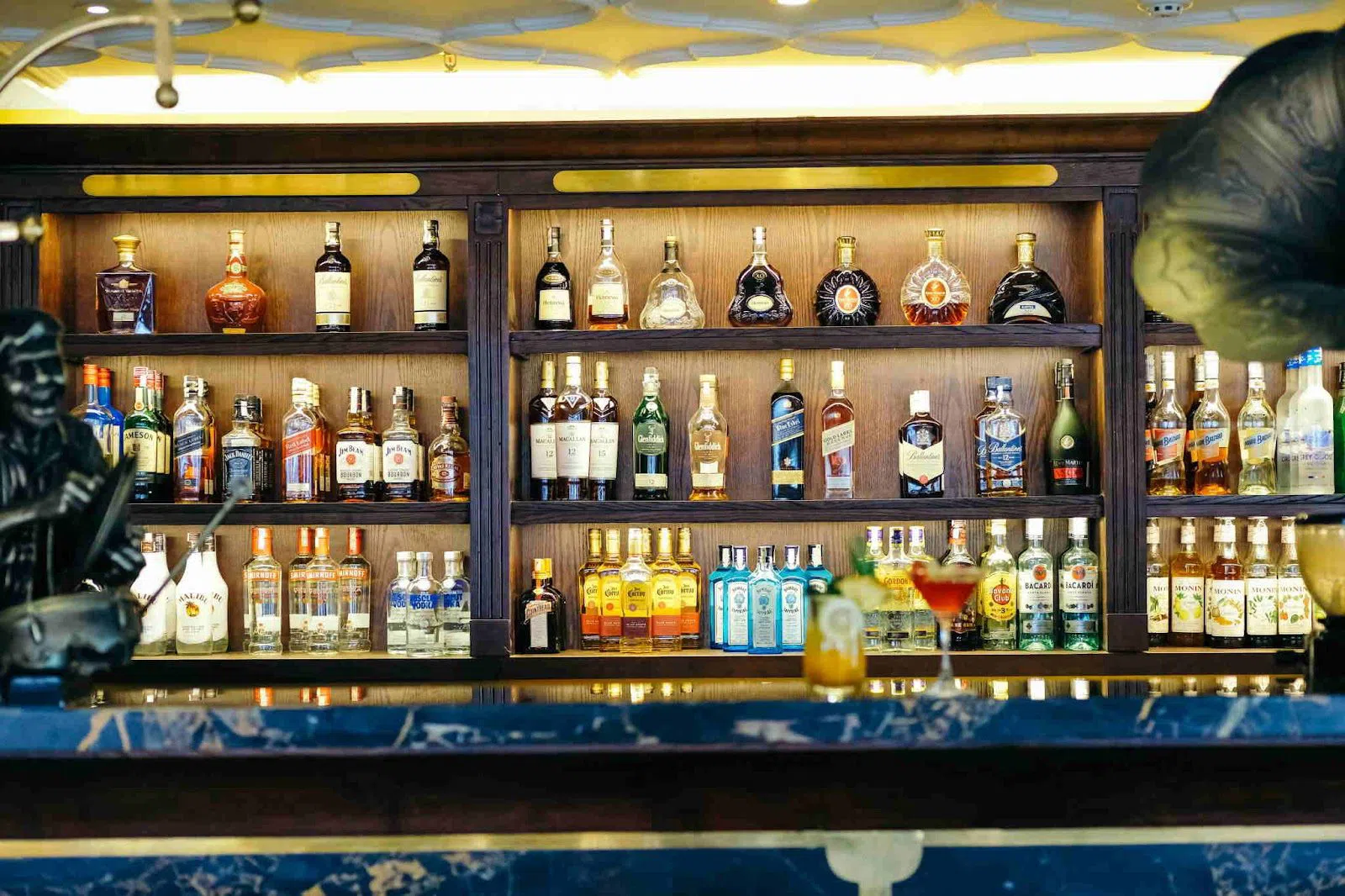
A block away, the mood can turn without a long walk. Polite & Co is one of Hanoi's original craft-cocktail and whisky bars, a low-lit lounge that reads as the grown-up counterpoint to the beer lane's chaos. It takes small groups and the door is relaxed, but the room genuinely suits parties of up to about six rather than a crowd; arrive deeper than that and you will split the group. Cocktails run 150,000–250,000₫. For travellers whose evening is led by what is in the glass, this is the calmer choice.
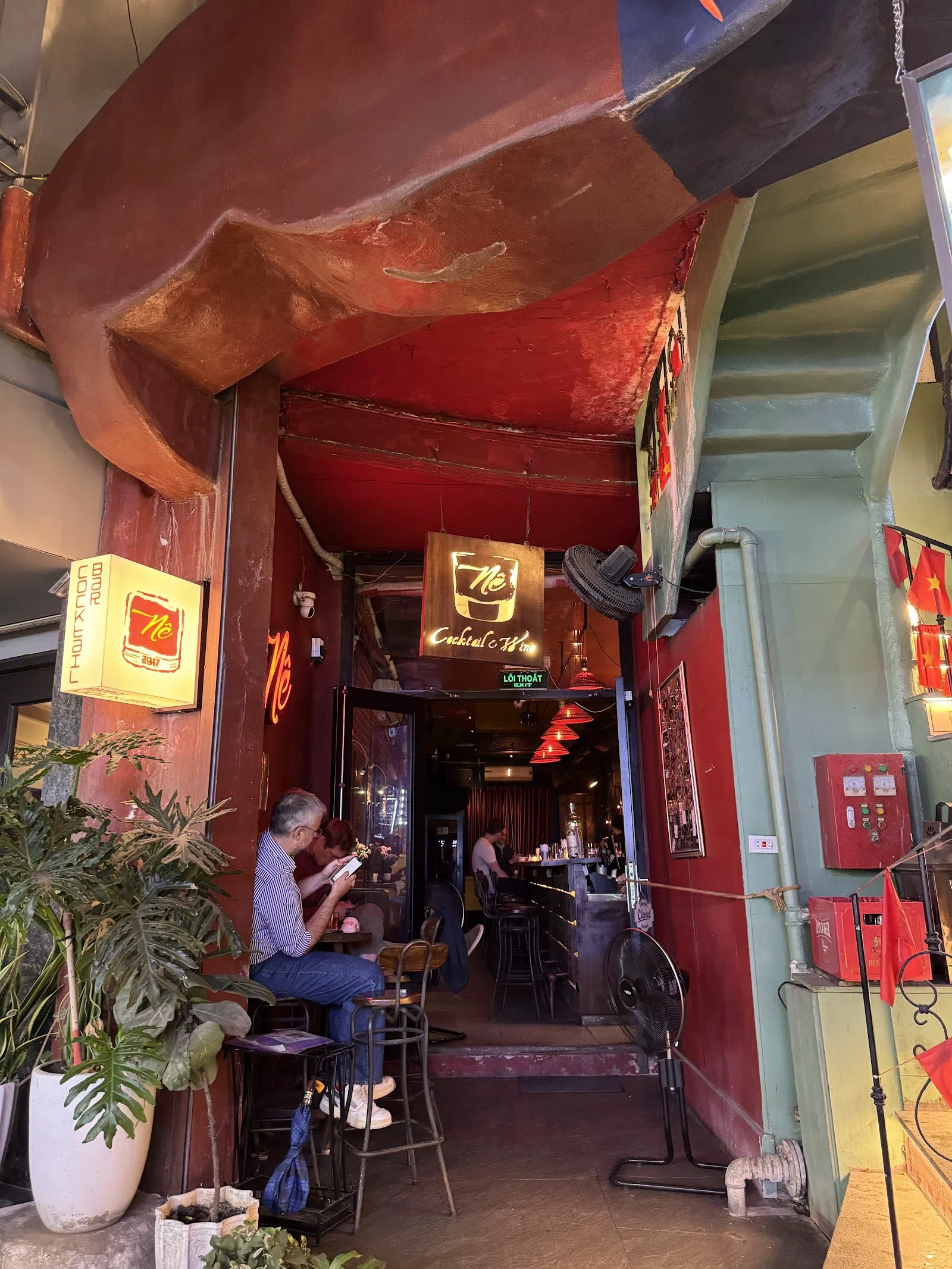
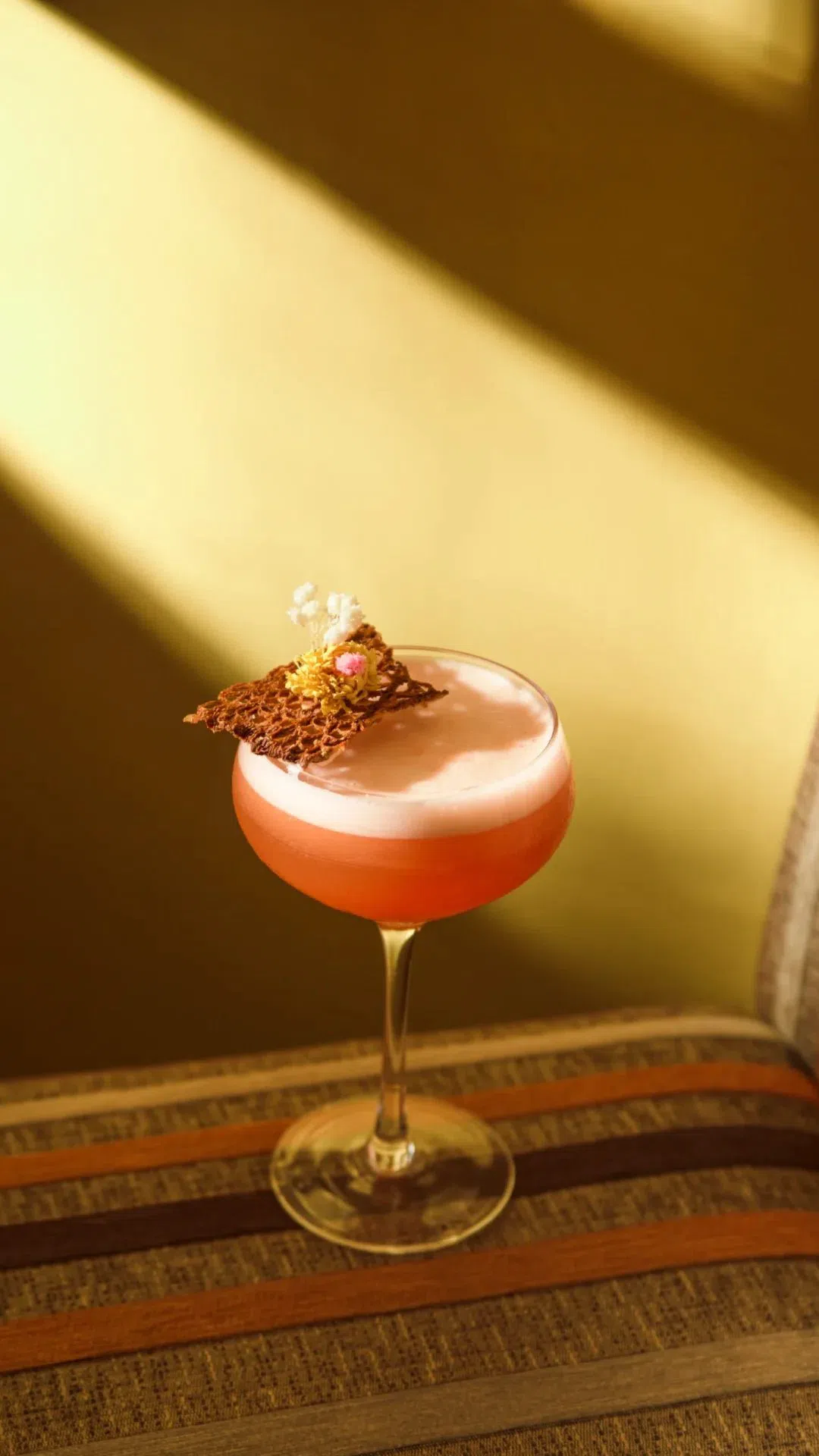
The drinks-led detour worth planning around is Nê Cocktail Bar, a small room where founder Pham Tien Tiep's award-winning Phở cocktail — the flavours of the noodle soup, rebuilt as a drink — earned Hanoi a place on the world cocktail conversation. It is best for pairs or a group of four to six; the seating is tight enough that larger parties should book ahead rather than chance it. Cocktails sit around 180,000–250,000₫. Come for the craft, not the volume.
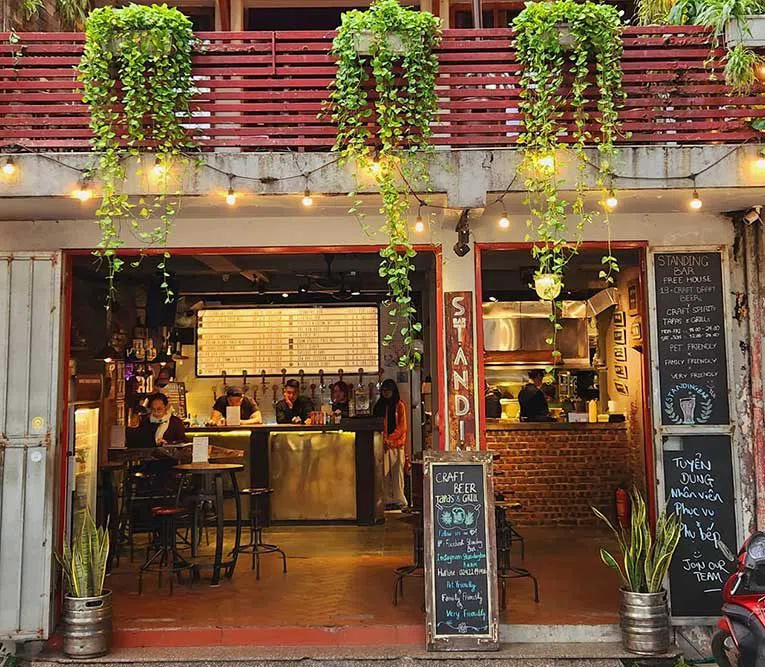
Beer drinkers who want range over ritual should make the short hop north out of the Old Quarter to Truc Bach, where Standing Bar runs Hanoi's most serious independent taproom in a tachinomiya, standing-and-drinking format. It is easy to host a crowd here — walk-ins are fine, the tap list is long, and small plates at $1–3 keep the table going, with craft beers at 90,000–160,000₫. It is a quick Grab from the quarter's edge, and for beer lovers the ride is the price of a better pour.
For the last hour, go up. Sol Sky Bar is one of the few rooftops with a true Hoan Kiem Lake view rather than a generic wash of skyline, which makes its sunset worth a reservation for a larger party; the door expects smart-casual, and cocktails run 150,000–250,000₫. If the group's mood is louder, Skyline Hanoi is the higher-energy alternative — livelier, less polished, popular with traveller and backpacker groups, with a casual door and drinks at 100,000–200,000₫. Sol for the view and the light; Skyline for the night that keeps going.
Practical notes
Getting around. The Old Quarter is a walking quarter and little else — the lanes defeat cars, and half the pleasure is on foot. For the few longer hops (Standing Bar in Truc Bach, or back to a hotel at the end of the night) use the Grab app rather than flagging a taxi; it fixes the fare in advance and removes the meter argument. Watch the traffic crossings: step out at a steady, predictable pace and let the motorbikes flow around you, which they will.
Cash and cards. Carry small notes. Bia hoi, market stalls, egg coffee and train-street cafés are cash-first, and nobody will break a 500,000₫ note for a 25,000₫ glass. ATMs are frequent around the lake. Cocktail bars and rooftops take cards, but the street does not.
Timing. Mornings are for the market and coffee, when both work rather than perform; afternoons for a single history anchor; evenings for the drinking lanes, which only really switch on after dark and best from Friday to Sunday when Ta Hien goes car-free and Dong Xuan's night market runs. Book the water-puppet show and the Hoa Lo night tour two to three days ahead on weekends.
Budget. This quarter flexes wide. A day of egg coffee, street food and bia hoi runs to a few dollars a head; add a guided food tour, a cooking class and a couple of proper cocktails and you are into a comfortable mid-range day. Prices above are current for 2026; treat them as a guide, since the street quietly adjusts.
Walk it in this order and the guild quarter stops being a maze and becomes a sequence — trade, food, history, night — laid down over a thousand years and still, remarkably, running to the same plan.
Before you go
How many streets are actually in Hanoi's Old Quarter?
The "36 streets" is a traditional phrase honouring the old craft guilds rather than an exact count. Many streets still carry the name of the trade they once specialised in — Hang Bac for silversmiths, Hang Ma for votive paper — and the quarter today holds well over 36 named lanes.
Is Hanoi Train Street still open to visitors in 2026?
Yes, but only independently. Organised group tours were banned in 2025 and the ban is enforced. You can still enter as an individual through one of the trackside cafés that seats you for the price of a drink (about 35,000–50,000₫). Check the train timetable and follow the guards' instructions — trains pass within arm's reach.
What's the best way to try Hanoi street food safely as a first-timer?
A guided small-group walk on your first evening is the safest and most efficient introduction. The Hanoi Street Food Tour has run since 2013, offers scheduled daily walks (11:00, 17:00, 18:30) and costs roughly $20–30 per person including all the food, threading you between stalls a newcomer would struggle to find or trust alone.
Where did egg coffee come from, and where should I drink it?
Egg coffee (cà phê trứng) was invented in 1946 by Nguyen Van Giang, who used whisked egg yolk when wartime milk was scarce. Drink it at Café Giảng, the original café in a lane off Nguyen Huu Huan, where a hot glass runs about 25,000–35,000₫.
Is Ta Hien Beer Street good for groups, and what should I watch out for?
It's built for groups — you pull plastic stools together on the street, and from Friday to Sunday the lane is car-free with no door policy. Bia hoi runs 15,000–25,000₫ a glass. Two cautions: pickpockets work the crowds, so guard your phone, and agree snack prices before anything hits your table, as tray prices can be inflated for tourists.